
Choosing an electrical contractor can significantly impact the safety and efficiency of your home or business. It is essential to understand that electrical work requires not only skill but adherence to safety standards. Experienced contractors ensure that the installation or repairs meet both local and national electrical codes.
Before hiring, consider why professional assistance is invaluable when dealing with electrical systems. An experienced electrical contractor can offer insights that can save you time and potentially a lot of money in future maintenance or repair work. Contractors who are licensed take responsibility for upholding these standards, which provides peace of mind.
Furthermore, the complexity of new electrical technologies necessitates the expertise that a trained professional brings to the table. With advancements such as smart home systems becoming more common, having an adept contractor ensures proper installation and integration. Reliable contractors stand by their work, often offering warranties or guarantees that signify their confidence in the quality of their service.
Licensing and Certifications
One of the first questions to address with an electrical contractor concerns their licensing and certifications. These credentials verify that the contractor has the necessary training and knowledge to perform electrical work safely. More so, licenses demonstrate that they operate within the legal framework required by your locality.
Ask if their licensing is up-to-date and if they have specialized certifications. Particular certifications might indicate a focus or additional expertise in areas such as energy efficiency or specialty systems. When a contractor can show these credentials, it provides a level of assurance that they adhere to industry standards and continuous education.
Moreover, engaging with a certified electrical contractor offers you protection. Should an issue arise post-installation, these credentials often allow avenues for recourse or resolution. Always list this as a priority when vetting potential hires for any electrical work.
Experience and Specialization
Next, delve into the breadth and depth of the contractor’s experience. Experience is often a good proxy for reliability and expertise; seasoned contractors have likely encountered various scenarios and hurdles. Inquire about the types of projects they typically handle to gauge whether their skills align with your needs.
If your project involves unique requirements, such as renovating an old building or installing renewable energy systems, ensure they have a track record in these areas. Specialization in certain kinds of electrical work can lead to more efficient solutions and foresee potential issues. Additionally, their prior projects can offer insights into their problem-solving capabilities and how they manage challenges.
Ask for references or testimonials that speak to their experience. Previous client feedback will provide a clearer picture of their work ethic and reliability. It’s also an opportunity to learn about any potential red flags that might not be evident from initial conversations.
Project Management and Timeline
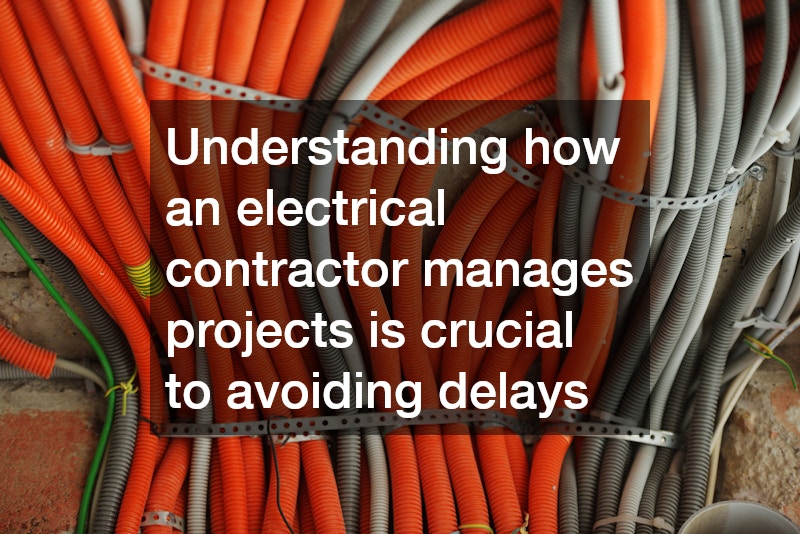
Understanding how an electrical contractor manages projects is crucial to avoiding delays and ensuring satisfaction. Query about their planning processes and how they coordinate with other contractors, especially in larger projects. This question reveals their organizational skills and their capacity to deliver within agreed timelines.
Discuss the expected timeline and ask how they handle potential delays. A professional contractor should foresee possible setbacks and have contingency plans. Moreover, being informed about their schedule will help you align expectations realistically.
A well-managed project lends itself to transparency; a contractor should keep you informed throughout the process. Regular updates and open communication can help mitigate misunderstandings and smooth the project progression. Effective project management is often a reflection of a contractor’s commitment to quality and customer satisfaction.
Cost Estimation and Financing Options
Cost is often a significant deciding factor; however, it’s important to understand that initial estimates can vary from final costs. When discussing pricing, ask for a detailed breakdown to comprehend where your money is going. A transparent electrical contractor should be able to provide this without hesitation, outlining labor, materials, and any additional charges.
Inquire if they offer flexible payment plans or financing options, particularly for large-scale projects. Some contractors partner with financial institutions or offer promotions that can ease payment burdens. Being upfront about costs and options helps avoid surprises and facilitates budgeting.
Be wary of offers that seem too good to be true. Often, they entail compromises on quality or hidden charges that surface later. Ensure that your agreement is detailed in a contract, safeguarding both parties and promising a clear record of expectations and obligations.
Safety Protocols and Regulation Compliance
Safety should be paramount when performing electrical work, and a reliable contractor will prioritize it. Ask about the procedures and protocols they implement to ensure safety during and after the project’s completion. This is critical not only for the contractor’s crew but also for your household or business occupants.
Ensure the contractor follows up-to-date regulations and adheres to the National Electrical Code (NEC). Compliance with these regulations minimizes risk and ensures that installations meet standardized safety criteria. A commitment to safety reflects the contractor’s dedication to professionalism.
Discuss any potential hazards specific to your project and get their input on how these can be mitigated. Safety discussions offer insights into the contractor’s risk management capabilities and their focus on preventive measures. Trustworthy electrical contractors should be forthcoming about handling these situations to safeguard all parties involved.