
- Room conversion is a cost-effective way to maximize small spaces without major renovations.
- Multi-functional furniture is essential for creating flexible and efficient living areas.
- Proper planning—considering layout, lighting, and purpose—is key to a successful conversion.
- Every room can serve multiple functions, from living rooms to storage areas.
- Smart storage solutions help reduce clutter and make spaces feel larger.
- Lighting plays a crucial role in enhancing both functionality and visual space.
- Avoid overcrowding and prioritize practicality to maintain comfort and usability.
Small spaces don’t have to feel limiting. With the right room conversion strategies, even the tiniest areas can become highly functional, stylish, and comfortable. Whether you live in a compact apartment or simply want to make better use of unused rooms, converting existing spaces can significantly improve your home’s usability without the need for major renovations.
In this guide, we’ll explore practical and creative room conversion ideas designed to help you maximize every square meter. From multifunctional layouts to smart storage solutions, these ideas are tailored to modern living needs.
Why Room Conversion is the Smartest Way to Maximize Small Spaces
Room conversion has become one of the most effective ways to optimize living areas, especially as homes become more compact. Instead of expanding outward, homeowners are now looking inward—rethinking how each room functions and how it can serve multiple purposes. This approach not only saves money but also reduces the need for large-scale construction projects.
Another advantage of room conversion is flexibility. As lifestyles change, your home can evolve with you. A guest room today can become a home office tomorrow, or a storage area can transform into a relaxing retreat. This adaptability is essential for modern households that require versatile living spaces.
Moreover, room conversion can increase property value. Buyers are increasingly drawn to homes that maximize functionality, making efficient layouts a strong selling point. With thoughtful planning, even small changes can have a significant impact.
What Should You Consider Before Starting a Room Conversion?
Before diving into any room conversion project, careful planning is essential. A successful transformation starts with understanding your needs and evaluating the limitations of your space. Without a clear plan, you may end up with a room that looks good but doesn’t function effectively.
Start by identifying your primary goal. Do you need more storage, a workspace, or an additional sleeping area? Knowing your objective will guide every design decision. It’s also important to assess structural elements such as lighting, ventilation, and electrical outlets, as these can influence what’s possible.
Budget is another key factor. While room conversions are generally more affordable than full renovations, costs can still add up. Consider both immediate expenses and long-term value when planning your project.
Key Factors to Evaluate
- Available floor space and layout
- Natural light and airflow
- Existing furniture and fixtures
- Budget constraints
- Long-term functionality
Living Room Conversions: How Can One Space Do It All?
The living room is often the largest and most versatile space in a home, making it ideal for conversion. With smart design choices, it can serve multiple purposes without feeling cluttered or overcrowded. The key is to strike a balance between comfort and functionality.
One popular approach is to create a hybrid living room and workspace. This is especially useful for remote workers who don’t have a dedicated office. By incorporating foldable desks or hidden workstations, you can maintain a clean and organized look.
Another idea is to convert part of the living room into a guest sleeping area. Sofa beds, Murphy beds, or modular furniture can provide flexibility without permanently sacrificing space. These solutions are perfect for homes that frequently host visitors.
Smart Living Room Conversion Ideas
- Use modular furniture for flexibility
- Install foldable or wall-mounted desks
- Incorporate hidden storage solutions
- Choose multi-purpose seating options
- Use rugs or dividers to define zones
Bedroom Transformations: Can Your Sleeping Space Work Harder?
Bedrooms are no longer just for sleeping. With thoughtful planning, they can double as workspaces, dressing areas, or even relaxation zones. This is especially important in small homes where every room must serve more than one function.
One effective strategy is to create a bedroom-office hybrid. A compact desk, combined with vertical storage, can turn a corner of your bedroom into a productive workspace. Choosing furniture that blends with the room’s aesthetic helps maintain a cohesive look.
Another option is to incorporate built-in storage to reduce clutter. Beds with storage drawers or wall-mounted shelves can free up valuable floor space. This allows the room to feel more open while still providing essential storage.
Bedroom Conversion Tips
- Use under-bed storage solutions
- Install wall-mounted shelves
- Choose compact, multifunctional furniture
- Keep the color palette light and neutral
- Maximize vertical space
Kitchen and Dining Room Conversions for Efficiency
Kitchens and dining areas are often underutilized, especially in smaller homes. By rethinking their layout, you can create a more efficient and multifunctional space. Combining these areas is a common solution that improves flow and usability.
Open-plan designs are particularly effective. Removing unnecessary barriers can make the space feel larger and more inviting. Adding a kitchen island with seating can serve as both a dining area and a workspace.
Another idea is to convert part of the kitchen into a storage hub. Vertical cabinets, pull-out shelves, and hidden compartments can significantly increase storage capacity without taking up extra space.
Efficient Conversion Ideas
- Combine kitchen and dining areas
- Add a multifunctional island
- Use vertical storage solutions
- Install pull-out cabinets
- Optimize corner spaces
Home Office Conversions: How to Create a Productive Workspace Anywhere
With the rise of remote work, having a dedicated workspace at home has become essential. However, not everyone has the luxury of a separate office. This is where creative room conversion ideas come into play.
A home office can be created in almost any space, from a closet to a corner of the living room. The key is to focus on functionality and minimize distractions. Compact desks, ergonomic chairs, and proper lighting are essential components.
Storage is also crucial. Wall-mounted organizers and shelves can keep your workspace tidy without occupying valuable floor space. This ensures that your office remains efficient and clutter-free.
Home Office Essentials
- Compact and ergonomic furniture
- Adequate lighting
- Noise reduction solutions
- Organized storage systems
- Clear separation from living areas
Storage Room Conversion Ideas That Free Up Space
Storage rooms often become cluttered catch-all spaces, but they hold great potential for conversion. With a little creativity, these areas can be transformed into functional and stylish rooms that enhance your home’s usability.
One option is to convert a storage room into a mini office or study area. This is ideal for those who need a quiet and focused environment. Adding proper lighting and ventilation can make the space more comfortable and inviting.
Another idea is to turn a storage room into a walk-in closet or dressing area. This not only improves organization but also frees up space in other parts of the home. Custom shelving and hanging systems can maximize every inch of the room.
Storage Conversion Ideas
- Home office or study nook
- Walk-in closet
- Hobby or craft room
- Compact guest room
- Reading corner
Multi-Functional Furniture: The Secret to Successful Room Conversion
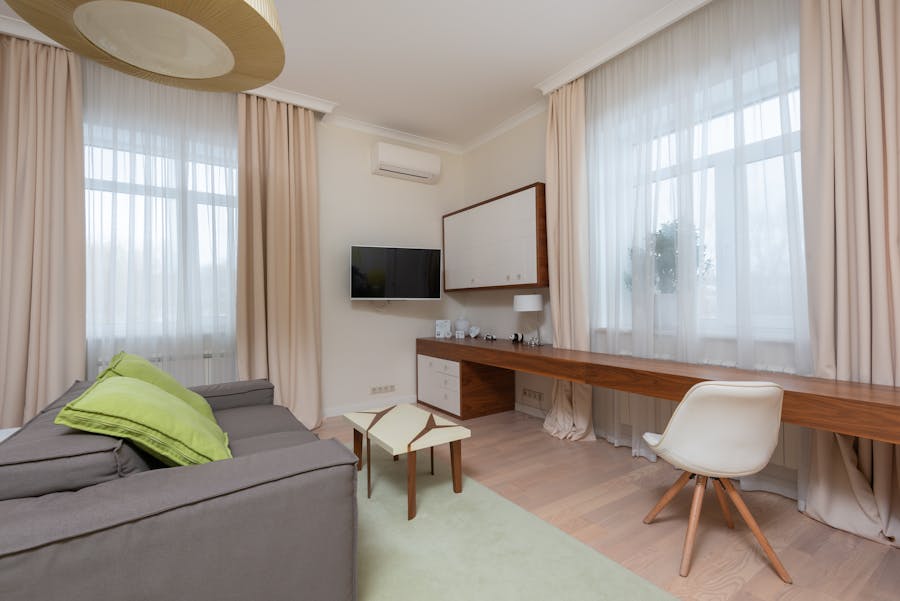
Furniture plays a crucial role in any room conversion project. In small spaces, every piece must serve more than one purpose. Multi-functional furniture is the key to achieving this balance.
For example, a sofa bed can transform a living room into a guest bedroom in seconds. Similarly, a foldable dining table can double as a workspace when needed. These versatile pieces allow you to adapt your space without permanent changes.
Another important aspect is scalability. Furniture that can be expanded or adjusted provides flexibility for different situations. This is particularly useful for growing families or changing needs.
Must-Have Multi-Functional Furniture
- Sofa beds
- Foldable tables
- Storage ottomans
- Murphy beds
- Modular shelving units
How Can Lighting Improve Your Room Conversion?
Lighting is often overlooked, but it plays a significant role in how a space feels and functions. Proper lighting can make a small room appear larger, brighter, and more inviting. It also enhances the usability of converted spaces.
Natural light is the most valuable resource. Maximizing windows and using light-colored curtains can help distribute sunlight throughout the room. Mirrors can also reflect light, creating the illusion of a larger space.
Artificial lighting should be layered. Combining ambient, task, and accent lighting ensures that the room is well-lit for different activities. This is especially important in multifunctional spaces.
Lighting Tips for Small Spaces
- Use mirrors to reflect light
- Choose light-colored finishes
- Install layered lighting
- Maximize natural light
- Use compact lighting fixtures
Common Mistakes to Avoid in Room Conversion Projects
While room conversion offers many benefits, it’s important to avoid common pitfalls. Mistakes can lead to wasted space, poor functionality, and unnecessary expenses. Being aware of these issues can help you achieve better results.
A frequent error is filling a room with excessive furniture, which can create a cramped and uneasy atmosphere. To avoid this, prioritize only the necessary pieces and opt for furniture that offers more than one function.
Another issue is poor planning. Without a clear layout, the room may not function as intended. Taking the time to plan and visualize your design can prevent costly errors.
Mistakes to Watch Out For
- Overloading the space with furniture
- Ignoring lighting and ventilation
- Poor layout planning
- Choosing style over functionality
- Lack of storage solutions
Final Thoughts: Making the Most of Every Square Meter
Room conversion is a powerful solution for maximizing small spaces. By rethinking how each area is used, you can create a home that is both functional and stylish. The key is to focus on flexibility, efficiency, and smart design choices.
Whether you’re transforming a living room, bedroom, or storage area, the possibilities are endless. With careful planning and the right approach, even the smallest spaces can become highly versatile and comfortable.
Investing in room conversion not only improves your daily living experience but also adds long-term value to your home. It’s a practical and creative way to make the most of every square meter.