
Why Roofing and Insulation Matter for Home Efficiency
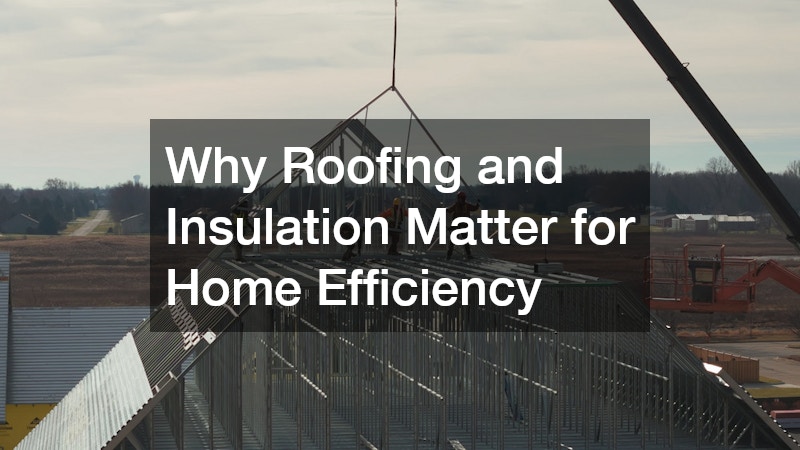
Home efficiency is about more than just lowering energy bills—it’s about creating a comfortable, durable, and cost-effective living environment. Two of the most important factors in achieving this are your roof and insulation. Together, they act as a protective barrier that regulates temperature, prevents energy loss, and shields your home from the elements.
Many homeowners focus on interior upgrades while overlooking the exterior systems that have the biggest impact on efficiency. A poorly performing roof or inadequate insulation can cause heating and cooling systems to work overtime, leading to higher energy costs and unnecessary wear. Over time, this not only affects comfort but also shortens the lifespan of key components in your home.
Investing in roofing and insulation improvements provides both immediate and long-term benefits. From better temperature control to reduced maintenance costs, these upgrades play a critical role in overall home performance. With the right approach, homeowners can significantly improve efficiency while increasing the value and durability of their property.
Start with a Full Exterior Efficiency Assessment
Before making any improvements, it’s essential to evaluate how your home currently performs as a complete system. Many inefficiencies go unnoticed because they develop gradually over time. A full assessment helps identify areas where energy is being lost, such as poorly sealed joints, aging materials, or ventilation issues. This process allows homeowners to focus on upgrades that will deliver the most meaningful improvements rather than wasting money on unnecessary changes.
Professional roofing contractors play a key role in this stage by conducting detailed inspections of the entire structure. They assess not only visible damage but also underlying issues such as moisture intrusion, insulation gaps, and airflow imbalances. These factors can significantly impact efficiency if left unaddressed. In many homes, residential roofing systems degrade slowly due to exposure to weather, leading to cracks, weakened seals, and reduced performance.
Homeowners can also participate in the evaluation by noting temperature inconsistencies, drafts, or unusually high energy bills. These signs often point to deeper issues that require attention. By combining professional insight with homeowner observations, it becomes easier to create a clear plan of action.
Starting with a thorough assessment ensures that every improvement is targeted and effective. It lays the groundwork for smarter decisions, helping homeowners maximize efficiency gains while staying within budget.
Replace Aging Roofs to Improve Energy Performance
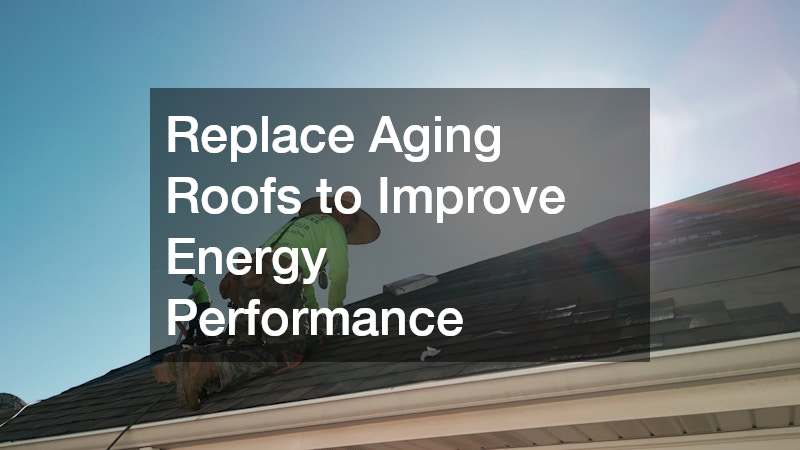
An aging roof is one of the most common causes of energy inefficiency in a home. Over time, roofing materials deteriorate due to exposure to sun, wind, and moisture. As this happens, small gaps and weaknesses begin to form, allowing heat to escape during colder months and enter during warmer months. This forces heating and cooling systems to work harder, increasing energy consumption and costs.
When repairs are no longer sufficient, a full roof installation becomes the most effective solution. Modern roofing systems are designed with energy efficiency in mind, incorporating materials that reflect heat and improve insulation. These advancements help maintain consistent indoor temperatures and reduce reliance on HVAC systems.
Working with experienced roofers is critical to ensuring the installation is done correctly. Proper alignment, sealing, and ventilation all play a role in how well the new roof performs. Even high-quality materials can fail to deliver results if installation is not handled with precision.
Replacing an outdated roof is a significant investment, but it offers long-term benefits that outweigh the initial cost. Improved efficiency, enhanced durability, and increased property value make it one of the most impactful upgrades homeowners can make.
Improve Insulation to Reduce Energy Loss
Insulation is one of the most important components of an energy-efficient home. It acts as a barrier that prevents heat from escaping during the winter and entering during the summer. Without adequate insulation, even the most advanced roofing system cannot perform effectively, leading to higher energy usage and inconsistent indoor temperatures.
One of the most effective solutions available today is spray foam insulation. This material expands upon application, filling gaps and creating an airtight seal that significantly reduces air leakage. Unlike traditional insulation, it adapts to irregular spaces, ensuring comprehensive coverage and improved thermal performance.
In addition to insulation upgrades, exterior improvements also contribute to efficiency. Siding contractors often address gaps and weak points in the building envelope, helping to reinforce insulation effectiveness. By sealing these areas, they prevent drafts and reduce energy loss, creating a more stable indoor environment.
Improving insulation not only lowers energy bills but also enhances comfort throughout the home. Rooms maintain consistent temperatures, and HVAC systems experience less strain, extending their lifespan. This combination of benefits makes insulation upgrades one of the most cost-effective ways to improve overall home efficiency.
Fix Roof Damage Before It Impacts Efficiency
Even minor roof damage can have a significant impact on your home’s efficiency if left unaddressed. Small cracks, loose materials, or hidden leaks can allow air and moisture to enter, compromising insulation and increasing energy loss. These issues often start small but can quickly escalate into more serious problems that require costly repairs.
In many cases, foam roof repair provides an effective solution for sealing damaged areas and restoring the roof’s protective barrier. This method is particularly useful for flat or low-slope roofs, where water tends to accumulate and create long-term damage. By addressing these issues early, homeowners can prevent further deterioration and maintain efficiency.
There are situations where damage occurs suddenly, such as after a storm or unexpected structural failure. In these cases, emergency roof repair is necessary to prevent additional harm to the home. Acting quickly minimizes the impact and ensures that the system continues to function properly.
Regular inspections and prompt repairs are essential for maintaining efficiency. By staying proactive, homeowners can protect their investment, avoid major disruptions, and ensure their roof continues to perform effectively over time.
Upgrade Gutters to Protect Your Home’s Structure
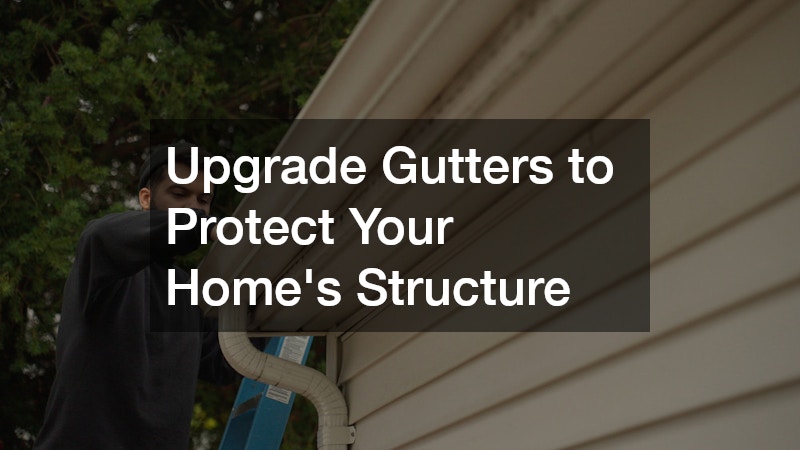
Gutters are a critical yet often overlooked component of an energy-efficient home. Their primary function is to direct water away from the structure, preventing moisture from damaging the roof, walls, and foundation. When gutters fail to perform properly, water can accumulate in unwanted areas, leading to issues that affect both structural integrity and insulation performance.
Professional gutter installation ensures that the system is designed to handle water flow efficiently. Proper alignment, slope, and capacity are essential for preventing overflow and ensuring that water is directed safely away from the home. Poorly installed or clogged gutters can lead to standing water, which may seep into roofing materials and reduce their effectiveness.
Roofing contractors often emphasize the importance of maintaining gutters as part of a comprehensive exterior system. Regular cleaning and inspections help prevent blockages caused by debris, ensuring that water continues to flow freely. This maintenance is especially important during heavy rainfall or seasonal changes.
Upgrading and maintaining gutters protects your home from moisture-related damage while supporting overall efficiency. By keeping water away from critical components, homeowners can preserve insulation performance and avoid costly repairs.
Choose Roofing Materials That Reflect Heat
The materials used in your roof play a significant role in determining your home’s energy efficiency. Some materials absorb heat, increasing indoor temperatures, while others reflect sunlight and help maintain a cooler environment. Choosing the right materials can reduce energy usage and improve overall comfort.
In some cases, metal roof repair can restore the reflective properties of an existing roof. Metal surfaces are known for their ability to reflect sunlight, making them an excellent choice for reducing heat absorption. Repairing and maintaining these surfaces ensures they continue to perform effectively over time.
When planning a roof installation, selecting energy-efficient materials should be a top priority. Options such as reflective coatings and advanced roofing systems are designed to minimize heat transfer, helping to regulate indoor temperatures more effectively.
These material choices not only improve efficiency but also contribute to long-term durability. By investing in high-quality, energy-efficient roofing materials, homeowners can reduce cooling costs and create a more comfortable living environment.
Seal Gaps and Improve Ventilation
Air leaks and poor ventilation are two of the most common causes of energy inefficiency in homes. Even small gaps can allow conditioned air to escape, forcing heating and cooling systems to work harder to maintain comfortable temperatures. Addressing these issues is essential for improving overall performance.
Applying spray foam insulation is one of the most effective ways to seal gaps and create an airtight barrier. This material expands to fill cracks and openings, preventing unwanted airflow and improving thermal efficiency. It is particularly useful in areas where traditional insulation may fall short.
Proper ventilation is equally important, especially within residential roofing systems. Adequate airflow prevents heat buildup and moisture accumulation, both of which can reduce insulation effectiveness and lead to long-term damage. A balanced system ensures that air circulates properly without compromising insulation performance.
By addressing both sealing and ventilation, homeowners can create a more efficient and durable home. These improvements work together to maintain consistent indoor conditions and reduce energy consumption.
Maintain Your Roof to Extend Its Lifespan
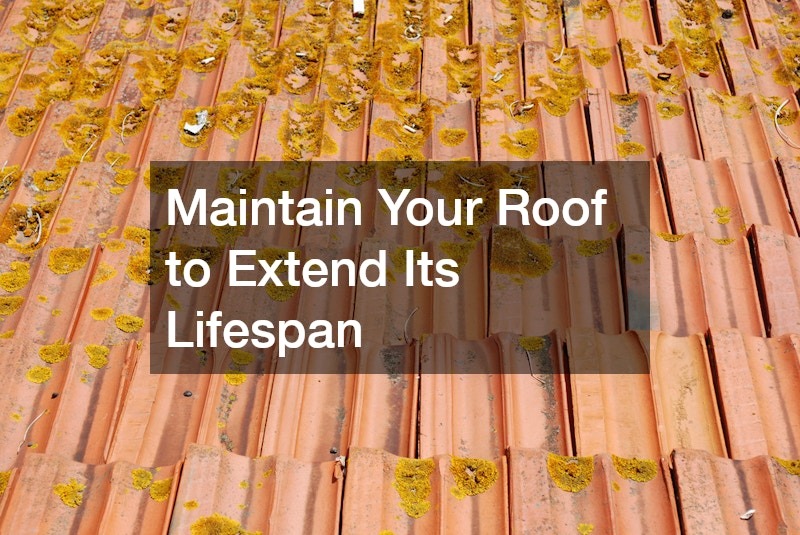
Regular maintenance is essential for ensuring that your roof continues to perform efficiently over time. Without proper care, small issues can develop into larger problems that compromise both performance and durability. Routine inspections and upkeep help identify these issues early, preventing costly repairs and extending the lifespan of the system.
Professional roofers play a key role in maintaining roof health by conducting thorough inspections and addressing potential concerns. They can identify signs of wear, damage, or inefficiency that may not be visible to homeowners. This proactive approach ensures that the roof remains in optimal condition.
In many cases, foam roof repair can be used as part of regular maintenance to address minor issues before they escalate. This helps preserve the integrity of the roof and maintain its protective capabilities.
By investing in consistent maintenance, homeowners can avoid unexpected failures and ensure their roof continues to support energy efficiency. A well-maintained roof is more reliable, cost-effective, and capable of withstanding environmental challenges.
Coordinate Exterior Systems for Maximum Efficiency
A home’s exterior systems must work together to achieve optimal efficiency. The roof, siding, and gutters all play interconnected roles in protecting the structure and regulating temperature. When these systems are properly integrated, they create a cohesive barrier that minimizes energy loss and enhances overall performance.
Siding contractors contribute to this process by ensuring that exterior walls are properly sealed and insulated. This helps prevent drafts and supports the effectiveness of insulation throughout the home. Properly installed siding also protects against environmental damage, maintaining the integrity of the structure.
At the same time, gutter installation ensures that water is effectively managed and directed away from the home. This prevents moisture from affecting roofing and siding components, preserving their performance and longevity.
By coordinating these systems, homeowners can create a more efficient and durable home. This holistic approach ensures that each component supports the others, reducing the risk of issues and maximizing long-term benefits.
Work with the Right Professionals for Long-Term Results
Choosing the right professionals is one of the most important factors in achieving successful efficiency improvements. Experienced roofing contractors bring the expertise needed to ensure that all upgrades are performed correctly and meet industry standards. Their knowledge helps homeowners avoid costly mistakes and achieve the best possible results.
In situations where immediate action is required, emergency roof repair services provide critical support. These professionals can quickly address urgent issues, preventing further damage and restoring functionality. Having access to reliable experts ensures that problems are resolved efficiently.
Working with skilled contractors also provides long-term benefits. They offer guidance on maintenance, recommend appropriate upgrades, and ensure that all work is completed to a high standard. This level of expertise is essential for maximizing efficiency and protecting your investment.
Building relationships with trusted professionals gives homeowners confidence in their decisions and ensures ongoing support. With the right team in place, efficiency improvements become more effective and sustainable over time.
Building a More Efficient and Durable Home
Improving your home’s efficiency requires a thoughtful approach that considers both performance and durability. By focusing on roofing and insulation upgrades, homeowners can create a more comfortable, cost-effective living environment.
These improvements reduce energy consumption, protect the structure, and extend the lifespan of key systems. With proper planning and maintenance, they provide long-term benefits that enhance both comfort and value.
Taking proactive steps today ensures that your home remains efficient, resilient, and prepared for the future.