

Introduction: Building a Smarter Approach to Home Maintenance and Upgrades
Maintaining a home is an ongoing responsibility that requires attention, planning, and a willingness to address issues before they escalate. Every system within a home—whether structural, mechanical, or aesthetic—plays a role in overall comfort, efficiency, and safety. When properly maintained, these systems work together seamlessly to create a living environment that supports daily life without disruption.
Many homeowners take a reactive approach, handling problems only when they become unavoidable. While this may seem manageable in the short term, it often leads to higher repair costs, unexpected breakdowns, and unnecessary stress. A proactive approach, on the other hand, allows homeowners to stay ahead of potential issues, extend the lifespan of key systems, and maintain better control over their budgets.
Upgrading your home is equally important. As technology evolves and materials improve, modern solutions offer better energy efficiency, durability, and convenience. Combining routine maintenance with thoughtful upgrades ensures that your home not only functions well but also adapts to changing needs over time.
This comprehensive guide explores practical strategies for maintaining and upgrading essential home systems. By understanding how each component contributes to overall performance, homeowners can make informed decisions that protect their investment and improve quality of life.
Create a Whole-Home Maintenance Plan That Prevents Costly Repairs
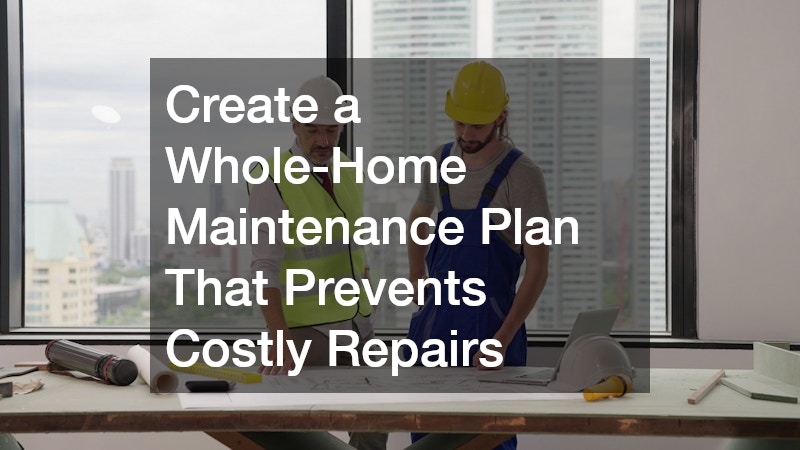
A successful home maintenance strategy begins with organization. Without a clear plan, it’s easy to overlook important tasks or delay necessary repairs. Establishing a structured approach helps ensure that every part of your home receives the attention it needs.
Start with a thorough inspection of your property. Identify areas that show signs of wear, damage, or inefficiency. This includes everything from roofing and siding to plumbing fixtures and HVAC systems. Documenting these observations provides a baseline for future maintenance.
Divide tasks into categories:
- Immediate repairs that require urgent attention
- Preventative maintenance to avoid future issues
- Long-term upgrades that improve efficiency and value
Seasonal checklists are especially helpful:
- Spring: Inspect exterior surfaces, check drainage systems
- Summer: Focus on cooling systems and outdoor projects
- Fall: Prepare heating systems and seal gaps
- Winter: Monitor indoor systems and address minor repairs
Budgeting is another key component. Setting aside funds for routine maintenance and emergencies allows you to address issues promptly without financial strain. Over time, this approach reduces the likelihood of major repairs and helps maintain your home’s overall condition.
Keep Your Cooling System Efficient and Reliable Year-Round
Cooling systems are essential for maintaining indoor comfort, particularly during warmer months. When these systems are not properly maintained, they can lose efficiency, leading to higher energy bills and reduced performance.
One of the most effective ways to avoid frequent ac repair is through regular maintenance. Routine servicing helps identify potential issues early and ensures that all components are functioning correctly. Working with a trusted HVAC company provides access to professional inspections and adjustments that improve system reliability.
Common signs that your cooling system may need attention include:
- Weak or inconsistent airflow
- Warm air coming from vents
- Unusual noises such as rattling or grinding
- Increased energy consumption
Homeowners can take simple steps to maintain efficiency:
- Replace air filters every 1–3 months
- Keep outdoor units free from debris
- Ensure vents are unobstructed
- Seal ductwork to prevent air leaks
Professional maintenance typically includes cleaning coils, checking refrigerant levels, and inspecting electrical connections. These services not only improve performance but also extend the lifespan of your system. Investing in preventative care reduces the likelihood of unexpected breakdowns and ensures consistent comfort.
Maintain Consistent Heating Performance and Energy Efficiency
Heating systems are critical for comfort during colder months, and their performance depends on regular maintenance and proper fuel management. Homes that rely on heating oil systems must pay close attention to fuel storage, system efficiency, and routine inspections.
Understanding how your heating system operates is the first step in maintaining it effectively. These systems rely on a steady supply of fuel and properly functioning components to deliver consistent warmth. When any part of the system is compromised, efficiency can decline.
Signs of potential issues include:
- Uneven heating throughout the home
- Increased fuel consumption
- Unusual odors or noises
- Delayed system startup
To maintain efficiency, homeowners should:
- Schedule annual system inspections
- Monitor fuel levels and plan refills in advance
- Ensure proper ventilation and airflow
- Replace filters regularly
Improving insulation and sealing gaps around windows and doors can also reduce the strain on your heating system. By maintaining both the system and the surrounding environment, you can achieve better performance and lower energy costs.
Protect Your Home from Water Damage and Restore Affected Areas
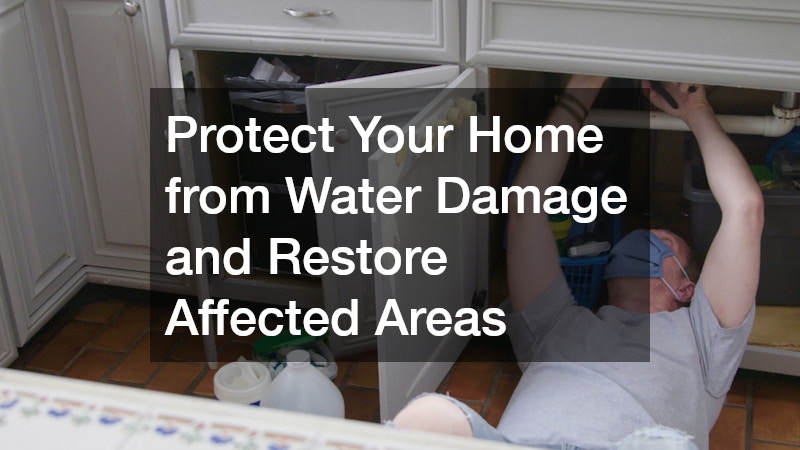
Water damage is one of the most common and costly issues homeowners face. It can result from leaks, flooding, or plumbing failures, and if not addressed quickly, it can lead to structural damage and mold growth.
When water damage occurs, immediate action is essential. The first step is to identify and stop the source of the water. Once the issue is contained, the affected areas must be thoroughly dried and cleaned to prevent further damage.
Professional water restoration services provide the expertise and equipment needed to handle these situations effectively. Their process typically includes:
- Assessing the extent of the damage
- Removing standing water
- Drying and dehumidifying affected areas
- Cleaning and sanitizing surfaces
Preventative measures can help reduce the risk of water damage:
- Regularly inspect plumbing systems for leaks
- Maintain gutters and downspouts
- Ensure proper drainage around your home
By addressing water issues promptly and implementing preventative strategies, homeowners can protect their property and avoid costly repairs.
Improve Water Quality and Extend Plumbing System Lifespan
Water quality has a significant impact on both your home and your daily life. Hard water, which contains high levels of minerals, can cause buildup in pipes and appliances, reducing efficiency and increasing maintenance needs.
Water softener services help address these issues by removing excess minerals and improving water quality. This not only protects your plumbing system but also enhances the performance of appliances such as dishwashers and washing machines.
Signs that your home may benefit from water treatment include:
- Mineral buildup on fixtures
- Reduced water pressure
- Frequent appliance maintenance issues
Working with a professional plumber ensures that systems are installed and maintained correctly. They can also identify potential problems within your plumbing system and recommend appropriate solutions.
Maintenance tips include:
- Regularly checking for leaks
- Avoiding harsh chemical cleaners
- Scheduling periodic inspections
Improving water quality contributes to a more efficient and reliable plumbing system while reducing long-term maintenance costs.
Upgrade to Modern Hot Water Solutions for Better Efficiency
Hot water systems are essential for everyday activities, and upgrading to modern solutions can significantly improve efficiency and convenience. A tankless water heater provides on-demand hot water, eliminating the need for a storage tank and reducing energy consumption.
Unlike traditional systems, tankless units heat water only when needed. This results in:
- Lower energy usage
- Continuous hot water supply
- Reduced risk of tank-related issues
Before upgrading, consider factors such as household size, water usage, and installation requirements. Professional installation is recommended to ensure proper setup and compliance with local codes.
Maintenance is also important:
- Regularly descale the system to prevent mineral buildup
- Inspect components for wear
- Schedule professional servicing as needed
By investing in modern hot water solutions, homeowners can improve efficiency, reduce energy costs, and enhance overall convenience.
Maintain and Protect Your Home’s Exterior for Long-Term Durability

Your home’s exterior serves as the first line of defense against the elements. Proper maintenance of roofing systems is essential for protecting the structure and maintaining energy efficiency.
Regular inspections can help identify issues early, such as:
- Missing or damaged shingles
- Water stains on ceilings
- Moss or algae growth
Working with a professional roofing contractor ensures that problems are accurately diagnosed and addressed. Whether it’s minor repairs or a full replacement, expert guidance is essential for maintaining residential roofing systems.
Preventative strategies include:
- Cleaning gutters to prevent water buildup
- Trimming nearby trees to reduce debris
- Scheduling routine inspections
Maintaining your roof not only protects your home but also contributes to long-term durability and efficiency.
Enhance Natural Light and Accessibility with Modern Door Solutions
Upgrading door systems can improve both the functionality and aesthetics of your home. Sliding glass door systems are particularly popular for their ability to maximize natural light and create a seamless connection between indoor and outdoor spaces.
Benefits include:
- Improved energy efficiency with modern materials
- Enhanced natural lighting
- Space-saving design
When selecting new doors, consider:
- Durability and weather resistance
- Proper sealing to prevent drafts
- Security features such as reinforced locks
Maintenance is key to ensuring long-term performance:
- Clean tracks regularly to prevent buildup
- Inspect seals for wear
- Lubricate moving parts
By upgrading your door systems, you can enhance both comfort and visual appeal while improving energy efficiency.
Coordinate Multiple Home Projects for Better Efficiency
Managing multiple home improvement projects requires careful planning. Without coordination, overlapping schedules and miscommunication can lead to delays and increased costs.
Effective coordination involves:
- Creating a detailed project timeline
- Grouping related tasks together
- Communicating clearly with contractors
Keeping records of completed work helps track progress and plan future projects. This documentation also ensures that nothing is overlooked.
A well-organized approach minimizes disruptions and ensures that projects are completed efficiently.
Budgeting for Repairs, Maintenance, and Home Improvements
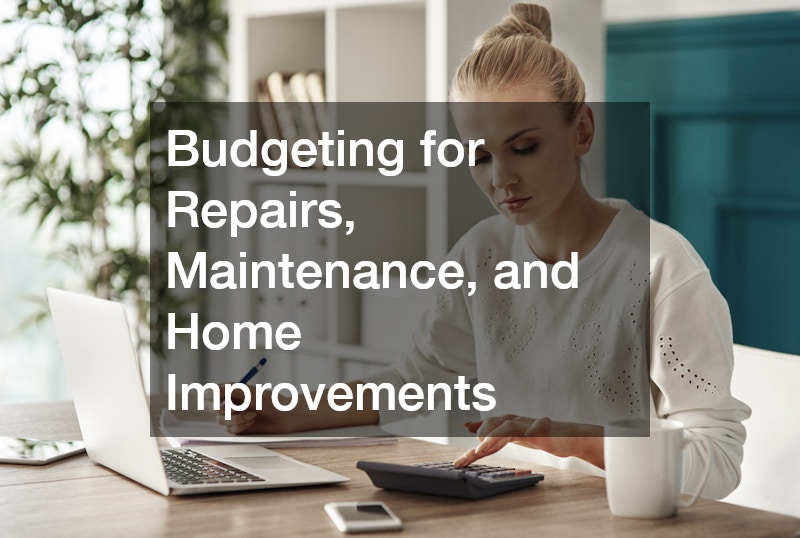
Financial planning is a critical aspect of homeownership. Without a clear budget, it’s easy to overspend or delay necessary repairs.
Smart budgeting practices include:
- Setting aside funds for emergencies
- Prioritizing essential repairs
- Comparing multiple quotes
Breaking larger projects into phases can make them more manageable. Tracking expenses over time also provides valuable insights for future planning.
With a structured approach, homeowners can maintain control over their finances while ensuring their property remains in excellent condition.
Additionally, reviewing your budget quarterly helps you adjust for seasonal expenses and unexpected changes. Building relationships with trusted contractors can also lead to more accurate estimates and potential cost savings over time, making long-term financial planning even more effective and predictable.
Increase Property Value Through Strategic Upgrades
Strategic upgrades can significantly enhance your home’s value and appeal. Buyers are more likely to invest in properties that are well-maintained and feature modern systems.
High-impact improvements include:
- Energy-efficient upgrades
- Structural repairs
- Exterior enhancements
Balancing functional improvements with aesthetic upgrades ensures the best return on investment. Maintaining detailed records of all improvements also increases buyer confidence.
By investing strategically, homeowners can maximize both comfort and long-term value.
Focusing on upgrades that align with current market trends can further boost appeal. Simple enhancements like improved lighting, updated fixtures, or refreshed finishes can make a strong impression without requiring a large investment, helping your home stand out in competitive real estate markets.
Conclusion: Creating a Comfortable, Efficient, and Long-Lasting Home
A well-maintained home is the result of consistent effort, thoughtful planning, and a proactive approach to care. By addressing issues early and investing in strategic improvements, homeowners can create a space that is both functional and comfortable.
Understanding how different systems work together allows for better decision-making and more effective maintenance strategies. Each improvement contributes to the overall performance and longevity of your home.
With the right approach, you can build a living environment that supports your needs today while remaining adaptable for the future.
Long-term success in homeownership comes from consistency and awareness. Establishing regular maintenance routines, staying informed about new technologies, and working with qualified professionals all contribute to a stronger, more resilient property. Small, routine actions—like inspections, cleanings, and timely repairs—can prevent larger issues and reduce overall costs over time.
It’s also important to view upgrades as part of a broader strategy rather than isolated projects. Each improvement should align with your goals, whether that’s increasing energy efficiency, enhancing comfort, or preparing for resale. When upgrades are planned thoughtfully, they work together to create a more cohesive and efficient home environment.
Additionally, maintaining thorough records of repairs and improvements provides long-term benefits. These records not only help you track maintenance schedules but also add value when it comes time to sell. Buyers appreciate transparency and are more likely to trust a home with a well-documented history of care.
Ultimately, creating a comfortable and efficient home is an ongoing process. Needs will evolve, systems will age, and new opportunities for improvement will arise. By staying proactive, organized, and committed to regular care, you can ensure that your home remains a safe, reliable, and valuable asset for years to come.