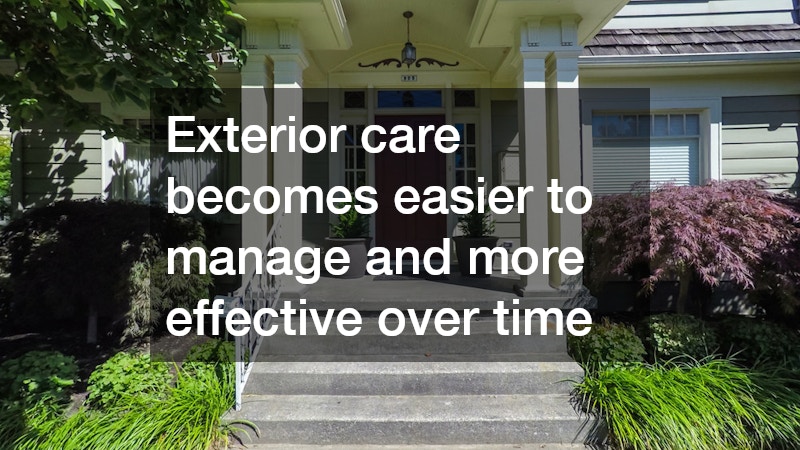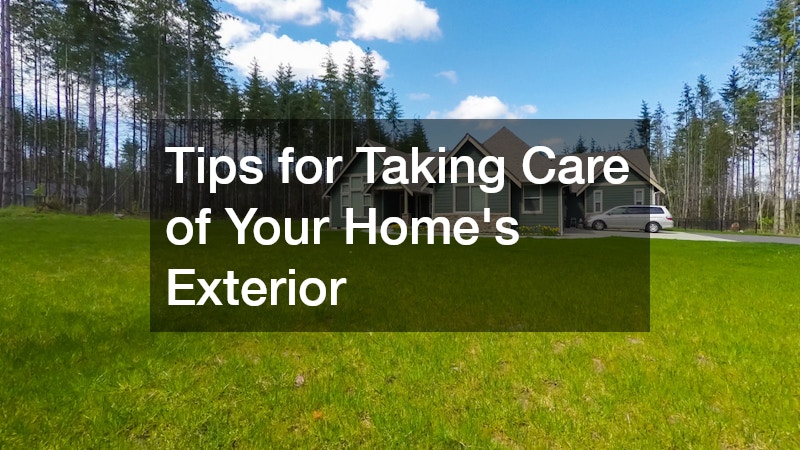

A home’s exterior works hard every day. It faces sun, rain, wind, pests, temperature changes, falling debris, moisture, and ordinary wear from daily use. Taking care of it is not only about curb appeal. It is also about protecting the structure, preserving outdoor living areas, and spotting small concerns before they become expensive repairs.
Good exterior care starts with a broad view of the property. Windows, doors, trees, hardscapes, pools, enclosures, garages, siding, and soil conditions can all affect one another. A cracked pane may call for a glass company, while overgrown branches may create risks for the roof, gutters, or outdoor structures. When homeowners think of the exterior as one connected system, maintenance decisions become easier to prioritize.
Start With a Full Exterior Walkthrough
A simple walkthrough can reveal problems that are easy to miss during busy weeks. Homeowners should look for loose trim, cracked caulk, damaged screens, stained siding, leaning branches, pooling water, insect activity, and areas where paint or sealant is failing. The point is not to diagnose every issue personally. The goal is to know when a concern deserves professional evaluation.
A pest control inspection can be especially useful when exterior conditions suggest activity near the foundation, siding, deck, crawl space, or landscaping. Mud tubes, damaged wood, discarded wings, droppings, nests, and small entry points should not be ignored. Pests often exploit moisture problems, gaps, and hidden openings. Scheduling an inspection early can help confirm whether a surface issue is part of a larger concern.
Documentation makes exterior care more manageable. Photos, notes, invoices, product details, and service dates can help homeowners track what has changed over time. This is valuable when comparing seasonal wear or deciding whether a repair keeps recurring. A maintenance record also makes it easier to explain concerns clearly when calling a professional.
Keep Cleanup and Debris Under Control
Exterior projects can create more debris than expected. Old fencing, broken patio materials, storm-damaged branches, damaged screens, packaging, worn outdoor furniture, and renovation scraps can quickly crowd work areas. Clutter can also hide hazards, attract pests, and make it harder to inspect the property. A clean exterior gives homeowners a better view of what needs attention.
Dumpster rentals may be practical when several outdoor tasks are being handled together. Larger cleanouts, storm cleanup, fence removal, shed clearing, and exterior remodeling work can produce bulky waste that is hard to manage with normal disposal. Planning debris removal ahead of time keeps walkways, driveways, and work zones safer. It also reduces the chance that unwanted materials sit outside long enough to create new problems.
Cleanup should be coordinated with project timing. If tree work, garage updates, enclosure repairs, or pool-area improvements are planned, waste removal should fit the order of work. A project can slow down when debris blocks access or takes up staging space. Good cleanup planning supports both safety and efficiency.
Watch Trees, Limbs, and Root Zones
Trees add shade, privacy, beauty, and value, but they also need regular attention. Heavy limbs, dead branches, fungal growth, leaning trunks, exposed roots, and canopy imbalance can all create risks around the home. Local tree trimming services may be needed when branches touch the roof, scrape siding, or block safe access. Trees near driveways, garages, pools, and outdoor seating areas should be monitored carefully.
A local tree service can evaluate tree health, location, and potential risk before severe weather exposes a weakness. Professional evaluation is important because tree concerns are not always obvious from the ground. A tree that looks healthy may have internal decay, root instability, or structural defects. Understanding those risks helps homeowners decide what maintenance should come first.
Tree care should also account for clearance. Limbs near utility lines, roofs, gutters, and outdoor structures can create hazards or accelerate wear. Tree removals may need to be evaluated when clearance problems are tied to a dead, unstable, or poorly located tree. Proper planning reduces the amount of organic debris that collects on roofs, patios, pool covers, and enclosure screens.
Maintain Windows, Glass, and Screens
Windows and glass features affect comfort, visibility, energy performance, and exterior appearance. Cracked panes, broken seals, loose glazing, damaged screens, or fogging between panes can signal that a repair or replacement may be needed. Small glass issues can become larger concerns when water enters the frame or temperature changes worsen the damage. Routine inspection helps protect both appearance and function.
A glass company can help address concerns involving cracked windows, damaged patio doors, broken exterior glass, or worn seals. Professional review is useful because glass repairs often involve measurements, safety considerations, and compatibility with the existing frame. The right repair can restore visibility and improve the look of the home. It can also help prevent moisture from affecting nearby materials.
Outdoor enclosures with glass, screens, or framed panels should be checked as part of the same exterior review. Sunrooms, screened porches, patio rooms, and similar spaces often sit between indoor comfort and outdoor exposure. Their seams, panels, tracks, doors, and drainage points can wear over time. Keeping these areas maintained helps preserve usable living space.
Pay Attention to Garage Entry Areas
Garage areas are often overlooked, even though they are major exterior access points. The garage door, tracks, seals, opener components, trim, lighting, and surrounding pavement all affect convenience and security. Gaps around the door can invite moisture, pests, dust, and temperature swings. A worn or unreliable garage entry can also make the home feel less secure.
Residential garage doors should be evaluated when they become noisy, uneven, slow to move, dented, or difficult to close fully. Weather seals and bottom gaps should also be checked because they affect protection from water and pests. A professional inspection can determine whether the concern involves the door itself, hardware, opener, track alignment, or surrounding framing. Addressing the right cause helps prevent repeated issues.
Garage care should be timed around other exterior updates. Driveway repairs, painting, trim replacement, and lighting improvements may all affect how the garage area looks and functions. Residential garage doors can also influence curb appeal because they occupy a large visual area on many homes. When the garage is included in the exterior plan, the front of the home often feels more complete.
Protect the Home From Pest and Wood Damage
Exterior moisture and wood contact can create conditions pests prefer. Mulch piled against siding, clogged gutters, wood debris near the foundation, leaking outdoor faucets, and poor drainage may all increase risk. Homeowners should also watch for soft wood, blistering paint, hollow-sounding trim, and small holes in exterior materials. These signs may point to problems that need professional review.
Termite treatment may be recommended when an inspection confirms termite activity or when conditions indicate a serious risk. Treatment needs should be based on findings, not guesswork. Because termites can damage hidden structural wood, timing matters. Acting promptly after confirmation can help limit additional damage and support a more complete protection plan.
A pest control inspection should also be considered after water damage, crawl space concerns, or major exterior repairs. Disturbed materials can reveal pest activity that was previously hidden. An inspection can help determine whether there are active issues, conducive conditions, or entry points that need correction. Exterior care is stronger when pest prevention is connected to moisture control and maintenance.
Preserve Pool and Patio Areas
Pools, patios, and surrounding hardscapes often become central gathering areas, so their condition affects both appearance and usability. Stained surfaces, rough plaster, cracked coping, loose pavers, poor drainage, and failing seals can make the area less comfortable and harder to maintain. Pool areas also face constant exposure to water, chemicals, sunlight, and foot traffic. Regular review helps keep the space safer and more inviting.
Pool replastering may be needed when the pool surface becomes rough, stained, pitted, or worn beyond ordinary cleaning. Surface condition matters because damaged plaster can affect comfort, appearance, and maintenance. Planning this work before the pool becomes unpleasant to use can reduce disruption during the season. It also helps homeowners coordinate related repairs around decking, coping, or tile.
Patio and pool-area maintenance should include drainage and access planning. Pool replastering should also be timed around deck repairs, coping work, and other pool-area updates when possible. Furniture, planters, and stored items should not block inspection points. A tidy layout makes it easier to notice changes before they become larger problems.
Care for Covered Outdoor Spaces
Covered outdoor areas can make a property more comfortable, but they also require maintenance. Screens, framing, doors, roof connections, fasteners, gutters, flooring, and drainage should all be checked periodically. Because these spaces sit outdoors, they can collect pollen, debris, moisture, and pest activity. Small openings or damaged panels can reduce comfort and make the area harder to use.
Outdoor enclosures should be reviewed after storms, high winds, heavy pollen seasons, and long periods of use. Loose screens, damaged panels, sticking doors, and clogged drainage points can all affect performance. If an enclosure connects to the home, the joint between the two structures should receive special attention. That connection can influence water control and pest access.
When repairs or larger updates are planned, dumpster rentals may help manage removed screens, damaged panels, old outdoor furniture, and other bulky materials. This is especially helpful when enclosure work is part of a broader patio or backyard refresh. A clear disposal plan keeps the area usable and prevents debris from spreading into nearby landscaping. It also helps the project stay organized.
Schedule Seasonal Trimming and Risk Review
Tree maintenance should be part of the exterior calendar, not a last-minute reaction to storm damage. Seasonal review can identify branches that are too close to the roof, limbs that shade damp areas for too long, or growth that blocks light and airflow. The right timing depends on tree type, condition, weather patterns, and property layout. Regular review helps protect both the trees and the home.
Local tree trimming services can help manage overgrowth, clearance, canopy balance, and branches that interfere with structures. Proper trimming is not just about cutting limbs back. It should support tree health while reducing property risk. Poor cuts or excessive removal can weaken a tree, so professional judgment matters.
Tree removals may be necessary when a tree is dead, severely diseased, structurally unstable, or located where it threatens the home. Removal decisions should be based on condition, risk, and the surrounding property, not convenience alone. A tree that is too close to the house, garage, pool, or enclosure can create ongoing maintenance concerns. Professional evaluation helps homeowners understand when removal is the safer option.
Build an Annual Exterior Maintenance Plan
An annual plan helps homeowners avoid reacting to every problem at the worst possible time. Exterior care can be organized by season, with attention to drainage, roof edges, windows, trees, pest risks, pool surfaces, and outdoor living areas. The goal is to create a realistic rhythm, not an overwhelming checklist. A few planned reviews each year can prevent many surprises.
A local tree service may fit best into the annual calendar before storm seasons or before branches become too close to roofs and gutters. Scheduling tree-related work with the broader maintenance plan helps homeowners avoid emergency decisions. It also makes access, equipment needs, and cleanup easier to coordinate. Predictable planning supports a safer and cleaner exterior.
Termite treatment should be considered part of long-term protection when activity has been confirmed or when a professional recommends it based on site conditions. Homeowners should also keep records of inspections, treatments, repairs, and recurring moisture problems. Those records make it easier to spot patterns and stay ahead of future concerns. A well-maintained exterior depends on consistent attention rather than isolated fixes.
Taking care of a home’s exterior means looking beyond the most visible surfaces. Trees, glass, doors, pool areas, enclosures, pest risks, drainage, cleanup, and seasonal wear all play a role in how well the property performs. A strong maintenance plan helps homeowners protect curb appeal while also supporting safety, comfort, and long-term durability.
The most effective approach is steady and organized. Homeowners should inspect the exterior regularly, document changes, respond to early warning signs, and involve qualified professionals when a concern affects safety, structure, pests, glass, trees, or major outdoor features. With the right plan, exterior care becomes easier to manage and more effective over time.