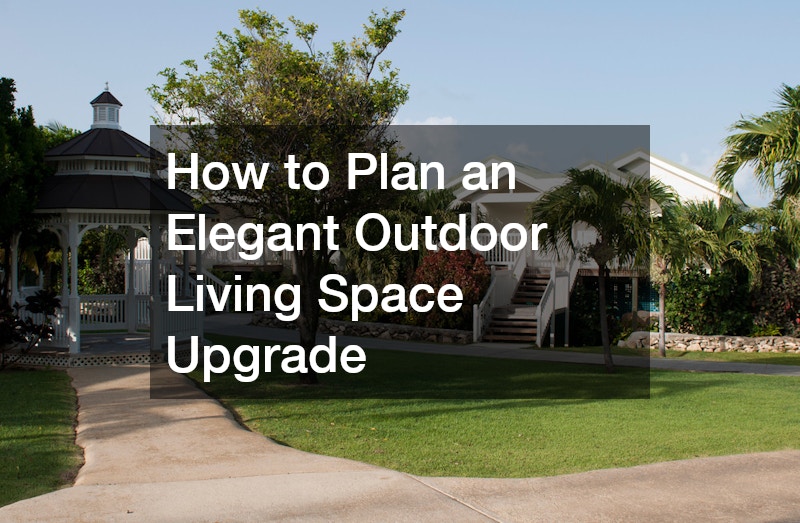

The backyard has transformed significantly. No longer just a simple lawn area, the modern backyard is now a refined extension of the home. It is valued as essential square footage requiring architectural interest, interior styling, and functional design, similar to any luxury indoor room. Upgrading requires a holistic vision that blends structural engineering, environmental comfort, utility management, and natural beauty.
Investing in an outdoor renovation offers significant rewards beyond financial returns. A well-designed space enhances life quality, providing a relaxed environment for gatherings and entertainment. Professionally designed outdoor spaces also boost real estate market appeal and value. Achieving elegance requires a detailed plan. Outdoor renovation involves structural, electrical, and landscaping work; without a clear plan, conflicts may arise. Knowing the correct sequence, soil grading to plant placement, ensures a smooth construction process, bringing your luxury vision to life without stress.
Designate Functional “Rooms” Before Breaking Ground
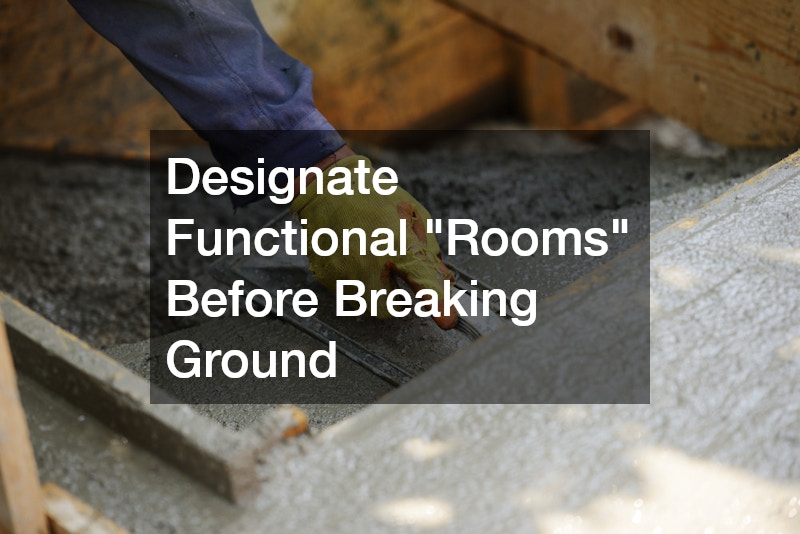
To create a high-end feel, your outdoor space should mimic the flow of a well-designed luxury home. This means organizing the footprint into clear, purposeful areas that dictate how people move through the space.
- Analyze Traffic Flow: Observe how people naturally exit your home and move into the yard. Keep primary walkways clear and wide enough for two people to walk abreast comfortably.
- Separate Active and Passive Zones: Position high-activity areas, such as an outdoor kitchen or dining space, closer to the main house for easy access. Place quieter, passive areas, like a fire pit or a reading nook, further into the landscape to foster a sense of escape.
- Incorporate Transitional Elements: Use subtle visual cues like low stone walls, steps, or changes in flooring material to signal the transition from one outdoor room to another.
- Review Legal Constraints: Before falling in love with a specific layout, consult your local municipality regarding property setbacks, easements, and homeowner association guidelines to avoid costly fines or forced teardowns.
- Account for Natural Wind and Sun Hazards: Track environmental elements so that seating zones are not placed directly downwind of permanent fire fixtures or cooking smoke.
Select the Right Structural Foundation for High-Traffic Areas
The durability and visual appeal of your outdoor rooms depend heavily on the groundwork laid beneath them. High-traffic zones require robust materials that can withstand heavy weight and shifting weather conditions without cracking or shifting.
- Evaluate Hardscape Materials: Consider the aesthetic and maintenance differences between sleek, continuous surfaces and patterned masonry. Poured architectural concrete offers a crisp, minimalist look, while stone interlocking pavers provide a timeless, classic feel.
- Prioritize Proper Sub-Base Preparation: A luxury finish is only as good as what lies underneath. Ensure your site is excavated deeply enough to accommodate a properly compacted gravel and sand base, which prevents future sinking and water pooling.
- Plan for Water Mitigation: Ensure all hard surfaces are graded at a slight slope away from your home’s foundation to direct stormwater toward appropriate drainage channels or rain gardens.
- Vet Specialized Contractors: Look for certified concrete companies that specialize in decorative, stamped, or stained finishes to ensure your foundation looks premium. Simultaneously, consult an experienced paving company to review options for high-end stone borders or intricate driveway extensions that tie the entire front-to-back aesthetic together.
- Incorporate Access Panels for Future Needs: Leave strategic, hidden access points along your hardscape boundaries in case future plumbing or utility line adjustments are required.
Maximize Vertical Dimension to Frame Your View
Elevating elements within your yard draws the eye upward, making the entire property feel larger and more architecturally significant.
- Utilize Multi-Level Designs: If your property has a natural slope, embrace it by creating tiered levels. A raised seating area overlooking a lower dining patio adds immediate drama and sophistication.
- Introduce Overhead Architecture: Structures like pergolas, pavilions, or custom trellises add a sense of ceiling to your outdoor rooms, making them feel cozier and more defined without completely blocking out the sky.
- Strategically Place Privacy Screens: Use vertical structures, such as slatted wood panels or architectural metal screens, to block unwanted views of nearby houses while maintaining airflow and letting in filtered sunlight.
- Match Exterior Details: Ensure any new vertical construction echoes the roof lines, color palettes, and material choices of your primary residence to create a unified estate-like appearance.
- Leverage Living Walls: Introduce vertical wall planters or climbing ivy along structural barriers to blend cold, hard architecture with refreshing natural greenery.
Anchor the Space with Premium Carpentry and Wall Finishes
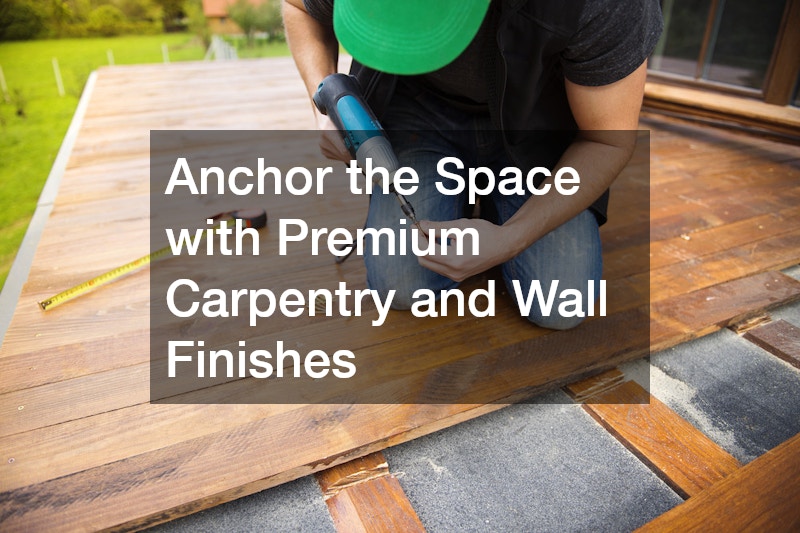
The quality of craftsmanship on your vertical surfaces dictates whether your yard looks like a standard DIY project or a custom designer masterpiece.
- Invest in Premium Wood and Composites: For elevated platforms and attached structures, select high-grade capped composites or exotic hardwoods like Ipe or cedar, which resist warping, rotting, and insect damage.
- Hide the Fasteners: Request face-screw alternatives from your builders. Utilizing hidden clip systems or plug systems results in a smooth, unblemished surface that looks exceptionally sleek and high-end.
- Refresh the Backdrop: An elegant new structure will instantly make old, weathered house walls look outdated. Coordinate your project timelines so that a reputable siding company can refresh your home’s exterior cladding before outdoor structures are anchored against it.
- Hire Certified Specialists: Partner with a master deck builder who possesses deep experience in building custom stairways, picture-frame borders, and integrated perimeter seating that elevates the overall design.
- Seal and Protect Critical Joins: Ensure that flashing and moisture barriers are meticulously installed wherever custom woodworking or decking connects to your home’s main framework.
Design for Multi-Season Comfort and Element Protection
To truly maximize your investment, your outdoor living space should be equipped to handle varying weather patterns throughout the day and across different seasons.
- Map the Sun’s Path: Track how shadow patterns move across your yard during peak entertaining hours. This data will tell you exactly where you need heavy shade and where you can leave areas open to the sky.
- Incorporate Heating Elements: Extend your usage into the cooler autumn and spring months by integrating clean-burning linear gas fire tables, traditional wood-burning stone fireplaces, or flush-mounted overhead infrared heaters.
- Promote Air Movement: Install outdoor-rated ceiling fans under your covered structures to keep a gentle breeze moving on humid, stagnant summer days, which also helps deter flying insects.
- Select Performance Fabrics: Ensure all cushions, curtains, and throw pillows are made from solution-dyed acrylic fabrics that resist UV fading, mold, and water entry.
- Incorporate Integrated Drainage for Roof Overhangs: Equip covered pavilions or gazebos with hidden commercial gutter systems to safely channel heavy downpours away from open lounge areas.
Implement High-End Shading and Pest Barriers
Controlling light exposure and keeping nature’s less desirable elements at bay requires sophisticated, integrated solutions rather than clunky, temporary fixes.
- Opt for Automated Control: Look into motorized shading systems that can be adjusted via a smartphone app or remote control, allowing you to instantly adapt to changing light levels.
- Protect Against Harsh Glare: Deploy premium outdoor sun shades along the open sides of pergolas or porches to block intense horizontal afternoon sun rays while preserving your view of the garden.
- Eliminate Pest Invasions: If your property is located in an area prone to mosquitoes or heavy seasonal bugs, consider dedicating a portion of your patio to a permanent structure featuring a sleek screen enclosure.
- Prioritize Low-Profile Frame Profiles: Choose enclosure and shading frames with ultra-slim, dark powder-coated profiles that blend seamlessly into the surrounding landscape rather than creating visual obstructions.
- Select Micro-Mesh Technology: Opt for high-transparency mesh variants that maximize clear sightlines while still blocking tiny, hard-to-see biting insects.
Layer Your Lighting for Safety and Sophistication
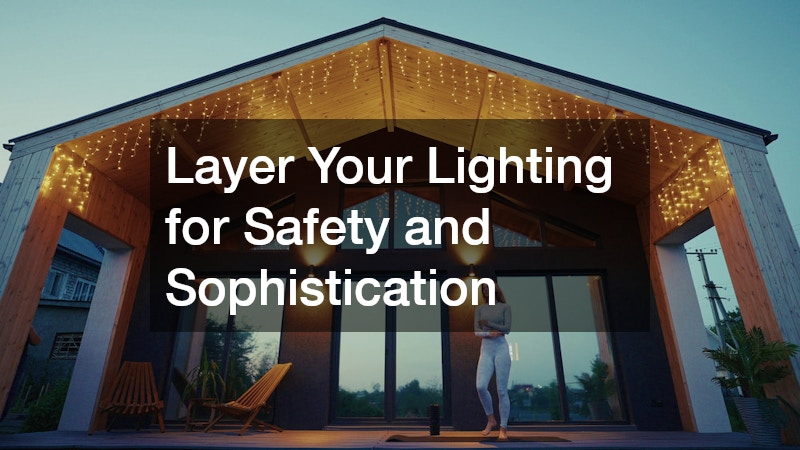
Outdoor lighting should never be an afterthought consisting of a single, harsh floodlight. A luxury environment utilizes multiple layers of soft light to highlight architectural features and guide guests safely through the property.
- Focus on Low-Voltage Systems: Utilize low-voltage LED systems for the majority of your landscape lighting, which are energy-efficient, safe, and allow for finer control over light placement.
- Apply Uplighting and Downlighting: Position small, hidden fixtures at the base of mature trees to cast dramatic shadows upward into the canopy. Conversely, mount downlights high in structures to mimic natural, soft moonlight on the floor below.
- Illuminate Steps and Paths: Integrate subtle LED strip lights beneath step treads, deck caps, and along the borders of walkways to prevent tripping hazards while washing the ground in a warm glow.
- Incorporate Smart Zoning: Group your lights into distinct zones that can be dimmed independently, allowing you to transition the yard from a brightly lit cooking environment to a romantic, low-lit lounge area with the push of a button.
- Utilize Warm Color Temperatures: Select bulbs in the 2700K to 3000K range to emit a welcoming, golden aura rather than a cold, institutional blue glare.
Source Certified Pros for Safe Outdoor Utility Management
Water, electricity, and structural elements can be a dangerous combination if not handled with absolute precision. High-power outdoor amenities demand professional engineering from day one.
- Map Out Power Demands: Calculate the total electrical load required for your dream amenities, including outdoor refrigerators, high-powered sound systems, automated pool covers, and heavy-duty cooking appliances.
- Run Utilities Early: Ensure all underground conduits are trenched and laid before pouring any hardscapes or installing major structures, preventing the need to rip up brand-new stone or wood later.
- Utilize Weather-Resistant Enclosures: All outdoor outlets, switches, and panels must be fitted with heavy-duty, code-compliant weatherproof enclosures to prevent water intrusion during heavy storms.
- Hire the Right Technical Experts: Do not attempt to cut corners on electrical work. Enlist the expertise of dedicated residential electricians who understand the strict municipal codes for exterior GFCI protection, and contract a firm that provides comprehensive electrician services to handle complex sub-panel installations and main service upgrades safely.
- Install Separate Shutdown Valves and Breakers: Ensure your outdoor grid has dedicated isolate switches located indoors so you can easily cut power or winterize water lines during severe weather seasons.
Curate a Cohesive Botanical Palette
A sophisticated garden design avoids a cluttered, random assortment of plants. Instead, it relies on a carefully curated selection of flora that repeats specific colors, shapes, and textures to create visual rhythm.
- Design with Structural Layers: Place tall privacy trees and large evergreen shrubs along the perimeter to form a dense green backdrop. Layer medium-sized flowering shrubs in front of them, and finish with low-growing perennials and groundcovers along the borders.
- Select a Defined Color Scheme: Limit your floral color palette to three or four complementary tones (such as deep purples, crisp whites, and soft pinks) to maintain an elegant, intentional aesthetic.
- Incorporate Seasonal Variety: Choose a mix of specimens that bloom at different times of the year, alongside plants that offer striking winter interest through unique bark patterns or evergreen foliage.
- Implement Efficient Irrigation: Install an automatic drip irrigation system beneath the surface to deliver water directly to plant roots, minimizing evaporation and keeping your landscape lush with minimal effort.
- Embrace Fragrant Varieties: Place intensely aromatic plants like lavender, jasmine, or gardenias near seating areas to naturally enrich the sensory experience of your lounge spaces.
Sourcing Quality Greenery and Final Ground Dressings

The final step in your transformation involves sourcing healthy botanical specimens and finishing the earth with clean, defining layers that tie the entire landscape together.
- Hand-Select Your Plants: Avoid purchasing generic mass-market plants. Take the time to visit an established local garden center where you can consult with horticulturists, inspect root health, and select robust varieties native to your region.
- Mass Your Plantings: Rather than planting single specimens of various flowers, plant them in drifts or groupings of three, five, or seven. Mass planting creates a much bolder, professionally designed visual impact.
- Define Clean Garden Borders: Use deep, spade-cut edges or continuous stone borders to create sharp, definitive separation between your manicured lawn and your planting beds.
- Dress the Beds Properly: Finish all open soil areas by scheduling professional mulching services to apply a uniform, premium layer of organic dark mulch. A fresh layer of high-quality mulch suppresses weeds, retains essential soil moisture, regulates root temperatures, and delivers that immaculate, dark-contrast look that instantly elevates the entire property.
- Incorporate Ground-Level Accent Lighting: Hide small spotlight fixtures inside the freshly treated garden beds to subtly illuminate unique floral features after dark.
Planning an elegant outdoor living space upgrade is an inspiring journey that requires balancing creative design with practical execution. By carefully breaking the project down into distinct phases—starting with a functional ground layout, building upward with premium vertical craftsmanship, securing weather protection, routing advanced utilities, and finishing with lush softscaping—you protect your financial investment and eliminate the stress of chaotic construction.
The secret to a flawless result lies in patience, thorough preparation, and assembling a trusted team of licensed professionals who can execute your vision down to the smallest detail. When you take the time to plan every zone with intention, your backyard ceases to be just an outdoor area; it becomes a luxurious, multi-seasonal haven where memories are made, everyday stress melts away, and your home’s elegance is beautifully showcased to the world. Grab a notebook, survey your yard, and start sketching the master blueprint for your ultimate outdoor sanctuary today.