

Buying or renting a new house is an exciting opportunity to create a space that reflects your personality, lifestyle, and routines. However, a new house can sometimes feel unfamiliar even when you are excited about the change. Empty rooms, unopened boxes, and unfamiliar surroundings can make it take some time before the space truly feels like your own.
The good news is that making a new house feel like home does not have to happen all at once. Small decorating choices, familiar belongings, personal touches, and practical improvements can gradually transform an unfamiliar space into somewhere comfortable and welcoming. Taking your time can also help you discover how you actually use each room before making major changes.

Start By Unpacking The Essentials
After moving into a new house, it can be tempting to unpack everything immediately. While getting boxes out of the way is helpful, prioritizing the items you need most can make the process much less overwhelming.
Begin with everyday essentials such as bedding, towels, toiletries, dishes, clothing, chargers, and basic kitchen supplies. Having access to familiar necessities allows you to establish some normalcy while the rest of the house is still being organized.
Try setting up your bedroom early in the process. A made bed, familiar pillows, favorite blankets, and a few personal items can immediately make the room feel more comfortable. You may also want to establish a relaxing evening routine as soon as possible so your new bedroom begins to feel like a familiar retreat.
Once the essentials are unpacked, work through the remaining boxes one room at a time. This approach gives you visible progress without creating the pressure of completing the entire house in a single day.
Give Yourself Time To Understand The Space
A house may look completely different once your belongings are inside. Furniture that worked perfectly in your previous home may not make sense in the new layout, and rooms may serve different purposes than you initially imagined.
Before purchasing large pieces of furniture or committing to permanent arrangements, spend some time living in the space. Notice where natural light enters throughout the day and pay attention to how you naturally move from one room to another.
You may discover that a corner you initially thought would be ideal for a reading chair works better as a plant area or storage zone. Similarly, an oversized dining table may make more sense in another part of the room.
Allowing your home to evolve naturally can prevent unnecessary purchases and make the final arrangement feel more intentional.

Bring Familiar Items Into Each Room
One of the easiest ways to make a new house feel familiar is to surround yourself with things that already have meaning. Family photographs, artwork, favorite blankets, books, decorative objects, and sentimental pieces can help connect your new space to the life you already know.
You do not need to display everything immediately. Instead, choose a few favorite items for each room. A photograph on a nightstand or a piece of artwork above a sofa can make an unfamiliar room feel personal almost instantly.
Consider incorporating items that engage multiple senses as well. Familiar scents from candles, diffusers, or favorite cleaning products can make a new environment feel more recognizable. Soft lighting and comfortable textures can also make a significant difference.
Create Comfortable Lighting
Lighting can dramatically affect how welcoming a house feels. A room with only bright overhead lighting can sometimes feel stark, particularly when you are still getting settled.
Add lamps, table lights, floor lamps, or other sources of softer illumination where appropriate. Warm-toned bulbs can create a cozy atmosphere in bedrooms and living spaces, while brighter lighting may be useful in kitchens, bathrooms, offices, and work areas.
Do not overlook natural light. Keep windows accessible and avoid unnecessarily blocking them with furniture. During the day, natural light can make rooms feel larger, brighter, and more inviting.
At night, layered lighting can help create a more relaxing atmosphere. Having several smaller sources of light allows you to adjust the mood of a room instead of relying on one overhead fixture.
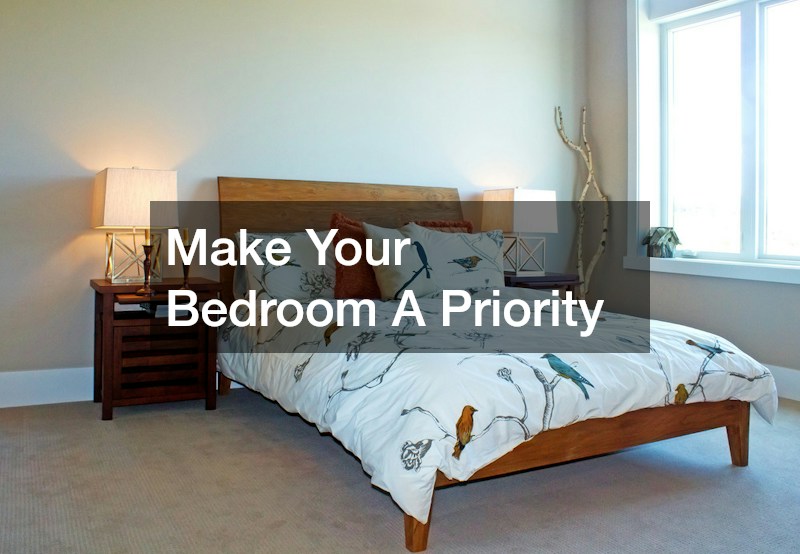
Make Your Bedroom A Priority
Your bedroom should be one of the first spaces you make comfortable because it is where you begin and end each day.
Start with comfortable bedding and arrange the furniture so there is enough room to move around easily. Add a few personal touches without overcrowding the space. Artwork, decorative pillows, plants, photographs, and a favorite rug can help establish a sense of personality.
Think about functionality as well. Keep commonly used items within easy reach and give everything a designated place. A tidy nightstand, organized closet, and uncluttered floor can make the room feel more peaceful.
If the bedroom still feels unfamiliar, focus on recreating elements you enjoyed in your previous space. Similar bedding colors, familiar artwork, or the same type of lighting can provide a comforting connection between your old and new homes.
Personalize The Living Room
The living room is often one of the most important gathering spaces in a home, so making it comfortable can have an immediate effect on how the entire house feels.
Arrange seating to encourage conversation rather than simply placing furniture against walls. Add pillows and throws to create softness and incorporate artwork or decorative pieces that reflect your interests.
A rug can also help define the living area, especially in a large or open floor plan. Plants can add life and texture without requiring a complete redesign.
Remember that a living room does not need to look like a showroom. Books, blankets, games, photographs, and everyday objects can make the room feel lived-in and inviting.

Make Practical Home Improvements
Once your belongings are organized, you may begin noticing areas of the house that need attention. Taking care of practical issues can make your home more comfortable while also helping you feel more settled.
For example, if the roof needs attention, researching reputable roofing contractors can help you understand what maintenance or repairs may be appropriate.
A professional roofing service may also be useful when addressing specific problems that could affect the comfort and protection of your home.
Outdoor areas can require attention as well. If a previous tree was removed but the stump remains, professional tree stump removal can help make the yard easier to maintain and use.
Similarly, inspecting your home’s heating and cooling system can be worthwhile. If your system is not performing properly, qualified professionals can handle necessary HVAC repairs and help restore comfortable indoor temperatures.
Improve The Entryway
Your entryway creates the first impression of your home, but it also affects how you feel when you walk through the door every day.
Keep the area practical and uncluttered. A small bench, console table, hooks, basket, or shoe-storage solution can make it easier to keep everyday items organized.
Add something personal, such as artwork, a mirror, a favorite plant, or a decorative object. Even a small entryway can feel intentional when it combines functionality with your style.
Think about what you typically bring into the house. If shoes, coats, bags, mail, and keys tend to accumulate near the entrance, create designated places for them. An organized entryway can make the rest of the home feel more orderly.
Make The Kitchen Feel Familiar
The kitchen can quickly become one of the most comforting areas of a new home when you begin using it regularly.
Start by organizing cabinets and drawers according to how you actually cook. Keep frequently used dishes, utensils, cookware, and ingredients within convenient reach.
You can also add small decorative touches without making the kitchen feel cluttered. A favorite cutting board, attractive storage containers, a plant, or a few pieces of artwork can make the space feel more personal.
Once the kitchen is organized, prepare a few familiar meals. Cooking recipes you already enjoy can create positive associations with the new space and turn the kitchen into part of your normal routine.
Pay Attention To Water And Drainage
As you settle in, take note of how your home’s plumbing systems perform. A dripping faucet, slow drain, inconsistent water pressure, or other issue can become a constant annoyance if it is ignored.
When a problem requires professional attention, a reputable plumbing company can evaluate the issue and recommend an appropriate solution.
Exterior drainage deserves attention too. Proper rain gutter installation can help direct rainwater away from the home and reduce problems associated with uncontrolled water runoff.
These types of practical improvements may not be the most exciting part of decorating, but they can make a major difference in how comfortable and functional the house feels.
Make Your Home Feel Healthy And Secure
Feeling at home is about more than appearance. Knowing that your house is safe, functional, and properly maintained can provide additional peace of mind.
If you are unfamiliar with the home’s history, consider learning about any inspections or environmental testing that may have been completed before you moved in. If radon is a concern in your area, professional radon solutions may be worth exploring.
You can also review basic safety features throughout the house. Test smoke and carbon monoxide detectors, check exterior lighting, make sure doors and windows function properly, and identify the locations of important utility shutoffs.
Taking care of these details can help you feel more confident in your new surroundings.
Create A Maintenance Routine
A new home can quickly feel more familiar when you establish routines for caring for it. Rather than waiting until something becomes a major problem, create a simple schedule for regular maintenance.
Keep track of tasks such as changing filters, cleaning gutters, checking appliances, inspecting exterior areas, and addressing small repairs.
If the house has experienced previous damage or requires more extensive work, a qualified restoration contractor may be able to assess the affected areas and help determine what should be addressed.
For exterior projects, you may also need to evaluate the condition of your roof periodically. A professional roofing service can provide guidance when maintenance or repairs become necessary.
The goal is not to spend every weekend working on your house. Instead, consistent maintenance can prevent small concerns from becoming larger disruptions.
Add Greenery And Natural Elements
Plants are an easy way to make a new home feel more alive. They can add color, texture, and personality without requiring major decorating projects.
Choose plants based on the amount of natural light available in each room and your willingness to maintain them. If you do not have much experience with houseplants, start with a few low-maintenance options.
Natural materials can create a similar effect. Wood accents, woven baskets, stone accessories, cotton textiles, and other organic textures can make rooms feel warm and comfortable.
You can also bring natural elements into outdoor spaces by creating a small seating area, adding planters, or maintaining existing landscaping.
Avoid Decorating Everything At Once
It is easy to feel pressure to finish decorating immediately after moving into a new house. However, rushing can lead to purchases that do not ultimately work with your lifestyle.
Instead, leave some areas unfinished while you determine what you actually need. Empty walls can remain empty until you find artwork you genuinely like. An unused corner can stay open until you understand how you want to use it.
This approach can also help you develop a more cohesive style. Over time, you may discover that certain colors, materials, or decorating styles naturally work throughout the house.
Your home does not need to be perfect to feel comfortable.
Make Room For Everyday Life
A house starts to feel like home when it supports the activities that matter to you. If you enjoy reading, create a comfortable reading area. If you like entertaining, arrange your living spaces to make gatherings easier.
Families may want designated areas for games, crafts, homework, or hobbies. Someone who works from home may need a comfortable and functional workspace.
The key is to design around how you actually live rather than trying to replicate a picture from a magazine or social media.
Your home should make daily routines easier, not create additional work.
Deal With Leftover Moving Supplies
After the main unpacking is complete, you may still have piles of cardboard, packing materials, unwanted items, and debris that need to be removed.
For larger quantities of waste from home projects or cleanouts, a local roll off dumpster rental can provide a convenient way to manage materials in one place.
Clearing away leftover supplies can make a surprisingly big difference. Open floors, organized storage areas, and uncluttered rooms allow you to see the home’s potential more clearly.
You may also discover items that no longer belong in your new space. Donate usable belongings, recycle appropriate materials, and responsibly dispose of items that cannot be reused.
Let Your Home Develop Over Time
Perhaps the most important part of making a new house feel like home is recognizing that the process takes time. A house does not become personal simply because the boxes are unpacked.
The routines you establish, memories you create, meals you cook, holidays you celebrate, and ordinary moments you experience will gradually give the space meaning.
Rather than trying to complete everything immediately, focus on one room, project, or routine at a time. Small changes can have a major impact when they make the house more functional or reflect your personality.
You may eventually decide that a room needs repainting, furniture needs rearranging, or additional storage would make daily life easier. Those changes can happen naturally as you learn more about the space.
Making a new house feel like home is a gradual process built from comfort, familiarity, organization, and personal expression. Start by unpacking the essentials, establishing practical routines, and surrounding yourself with belongings that have meaning.
As you spend more time in the space, you will naturally discover what works and what needs to change. From arranging furniture and improving lighting to maintaining the property and creating spaces that support your everyday routines, each decision can make the house feel increasingly personal.
Most importantly, remember that a home does not need to be perfectly decorated or completely finished to feel welcoming. Give yourself time to settle in, make thoughtful improvements, and allow the space to reflect the people and activities that make it yours.