
Older homes carry a charm that newer builds often cannot replicate. Their character, architectural detail, and craftsmanship create a sense of history and rootedness that many homeowners deeply value. However, with age comes inevitable deterioration, outdated building materials, and systems that no longer meet modern living standards. Transforming an older home requires a careful balance between preserving its unique qualities and updating critical components to support comfort, safety, and long-term efficiency. This article explores the essential upgrades that homeowners should consider when renovating an older property and explains how a thoughtful, systematic approach can turn an aging structure into a safe, functional, and comfortable place to live for years to come.
Assessing the Home’s Exterior Structure Before Renovation
Upgrading an older home begins with a comprehensive assessment of the exterior structure, particularly the condition of the roof. Working with local roofers provides homeowners with valuable insight into the materials, craftsmanship, and structural integrity of the roofing system, as these professionals are familiar with the climate and common architectural styles in the area. Because the roof is the first line of defense against weather damage, water intrusion, and heat loss, evaluating it early in the renovation process is critical. Many older homes have original roofing materials that have far surpassed their intended lifespan, making replacement or major repairs a necessary first step.
A thorough inspection performed by reputable roofing companies helps determine whether the existing roof can be repaired or whether a full replacement is the most practical option. These specialists examine the shingles, flashing, vents, gutters, and overall stability of the decking beneath the roofing surface. They also look for hidden signs of damage such as sagging areas, soft spots, or internal water staining that may not be immediately visible. By confirming the roof’s overall health before tackling any interior upgrades, homeowners avoid costly surprises and protect the rest of their renovation investment. A structurally sound exterior ensures that interior improvements will last and that the home remains dry, insulated, and energy-efficient.
Repairing a Compromised Roof
In many cases, homeowners underestimate how much the roof influences the overall performance and longevity of the house. A compromised roof can allow moisture to seep into the attic and walls, gradually weakening wooden framing and encouraging mold growth. This kind of hidden damage often goes unnoticed until major interior renovations begin, at which point repairs become far more invasive and expensive. By identifying these issues early, homeowners can address structural weaknesses before they escalate.
Another advantage of early exterior assessment is the opportunity to modernize the roofing materials themselves. Newer roofing options often provide better insulation, improved fire resistance, and increased durability compared to materials used decades ago. Local experts can also recommend designs and colors that complement the home’s architectural style, helping the renovation achieve both functional and aesthetic goals. In areas with harsh weather conditions, roofing specialists may suggest materials that better withstand heavy winds, snow loads, or prolonged sunlight exposure.
Furthermore, a well-planned roof upgrade can enhance the overall energy efficiency of the home. Poor ventilation, worn shingles, or degraded underlayment can cause heat to escape during the winter and infiltrate during the summer, forcing HVAC systems to work harder. By addressing these inefficiencies during the exterior assessment phase, homeowners lay the groundwork for improved interior comfort and reduced energy costs throughout the renovation.
Improving Safety and Functionality with Updated Entryways
Entryways often reflect the age of a home more strongly than any other feature, and updating them can dramatically improve both security and usability. Installing a new garage door is one of the simplest yet most impactful exterior upgrades, as older doors frequently lack proper insulation, safe mechanical operation, and modern safety sensors. A new installation can improve energy efficiency by reducing drafts, enhance convenience with smart controls, and boost curb appeal by introducing a clean, updated aesthetic. Modern garage doors are also built with more durable materials that withstand extreme temperatures and resist warping or rust, issues that often plague older wooden or metal doors.
Another transformative upgrade involves incorporating custom ironwork into the home’s exterior design. This addition can enhance safety when used for railings, gates, or security doors, and it can elevate visual appeal through ornamental details that complement the home’s architectural character. Custom metal features also add structural resilience, as ironwork is extremely durable and resistant to wear. For older homes that may have compromised original railings, brittle wood frames, or outdated porch supports, ironwork provides a sturdy, attractive replacement option.
Improving Home Security
Beyond the immediate improvements in appearance and function, enhanced entryways can also contribute to better overall home security. Older doors and rails are often more vulnerable to forced entry due to weakened materials or outdated locking mechanisms. By installing updated components made from stronger and more resilient materials, homeowners create a more secure barrier that deters intruders and increases peace of mind. Newer entry systems often allow for modern locking options such as keypads, smartphone access, or integrated home security features that older systems cannot support.
Improved entryways can also play a significant role in the overall flow and usability of the home. Many older properties were designed before modern conveniences like automatic doors, wider openings, or accessibility considerations became standard. Upgrading these areas allows homeowners to create more comfortable transitions between indoor and outdoor spaces, whether through smoother-operating doors, better lighting, or safer steps and landings. Enhancements such as improved lighting around doorways, reshaped thresholds, or sturdier porch structures are especially beneficial for families planning to age in place.
Upgrading Aging Mechanical Systems for Better Efficiency
One of the most critical aspects of renovating an older home involves evaluating the mechanical systems that control heating, cooling, and indoor air quality. Many older systems are inefficient, overly loud, or incapable of maintaining consistent temperatures. Hiring an HVAC contractor is essential for a comprehensive evaluation of the heating and cooling system. These professionals can assess ductwork efficiency, existing equipment performance, and overall airflow throughout the home. They can also determine whether the home requires a complete system replacement or whether upgrades to individual components will suffice.
In many cases, outdated systems lack the capacity to cool or heat the home evenly, leading to discomfort and high energy bills. Installing new cooling equipment often makes a dramatic improvement in indoor comfort levels. With modern air conditioner installation, homeowners benefit from systems that operate more quietly, use less energy, and include advanced features such as smart thermostats and programmable temperature settings. The process usually includes updating the condenser, improving ductwork, and ensuring proper ventilation throughout the home. These improvements not only boost comfort but also protect the structure from issues related to poor temperature control, such as humidity buildup, mold growth, and premature material wear.
Replacing Outdated Plumbing for Safety and Reliability
Plumbing systems in older homes are notorious for hidden issues that develop slowly over decades. Hiring a reputable plumbing company ensures that aging pipes, fixtures, and drainage systems are carefully inspected for corrosion, leaks, and other damage that may compromise safety. Many older homes still contain galvanized steel pipes, which gradually rust from the inside out, reducing water quality and pressure. A full or partial plumbing replacement can drastically improve reliability, water flow, and long-term safety.
Moisture problems caused by outdated plumbing can also create conditions that attract insects and rodents, which many homeowners fail to consider during renovation planning. A pest control company can be particularly helpful in older homes where water damage has created entry points or nesting areas. Pest professionals can locate hidden activity, identify vulnerabilities in the home’s structural envelope, and offer treatments that prevent future infestations. When plumbing and pest issues are addressed together, homeowners gain a cleaner, more sanitary environment while reducing the likelihood of further structural damage.
Renovating Older Interiors While Maintaining Structural Integrity
Interior renovations often begin with removing old flooring, damaged drywall, outdated cabinetry, or unsafe structural elements. Bringing in a demolition service is a smart decision when dealing with an older home, as these professionals understand how to remove materials carefully without disturbing important architectural components. Unlike casual DIY tear-outs, professional demolition uses proper safety techniques, dust containment, and controlled removal methods that protect both the workers and the home itself. Selective demolition helps preserve the features that homeowners want to keep while making room for essential upgrades.
During interior assessment, professionals may discover signs of interior damage that trace back to roof problems. Working with experts who also provide a roofing service can help identify how water infiltration or poor ventilation may have contributed to interior deterioration. Once those issues are corrected, interior renovation becomes far more effective and long-lasting. Homeowners can then update insulation, replace worn-out wall materials, install modern finishes, and improve room layouts without worrying about underlying damage reoccurring. Proper demolition and interior preparation ensure that cosmetic upgrades are built on a stable, secure foundation.
Boosting Energy Efficiency With Modern Insulation and Window Upgrades
Energy efficiency is one of the most impactful improvements a homeowner can make when renovating an older property. Many older homes have insufficient insulation, leaving walls, attics, and basements vulnerable to heat loss and drafts. Upgrading insulation helps maintain a consistent indoor temperature, reduces strain on mechanical systems, and decreases energy costs. Modern insulation materials are far more effective than what was available decades ago, providing higher thermal resistance and better soundproofing.
Windows are another major contributor to energy loss. Single-pane windows provide little insulation and often fail to seal out noise, moisture, and air drafts. Replacing them with energy-efficient double- or triple-pane windows enhances comfort and reduces heating and cooling demands. Homeowners who prefer to maintain the original look of the home can explore retrofitted window systems that preserve historical design while improving efficiency. Proper sealing around windows and doors also plays a critical role in maximizing energy savings and is an essential part of modern renovation.
Upgrading Electrical Systems for Modern Power Demands
Electrical systems in older homes often struggle to support the growing number of modern appliances, devices, and lighting fixtures. Overloaded circuits can be dangerous, leading to frequent breaker trips or, in severe cases, fire risks. A full electrical inspection determines whether the home requires a panel upgrade, new wiring, or installation of additional circuits. Older wiring methods often lack the capacity and safety features required for today’s technology, making upgrades necessary for both safety and convenience.
Ground fault circuit interrupter (GFCI) outlets are essential in kitchens, bathrooms, and outdoor areas to prevent electrical shock. Upgrading the panel and adding modern grounded wiring dramatically improves safety while ensuring the home can accommodate larger appliances and smart technology. Investing in an updated electrical system supports the functionality of newly upgraded HVAC, plumbing, and insulation systems, ensuring the home runs efficiently as a cohesive whole.
Preserving Character While Making Modern Updates
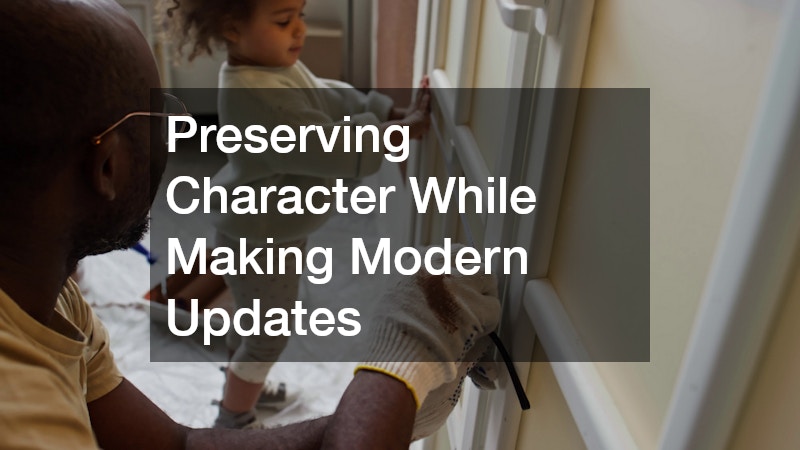
One of the greatest challenges in renovating an older home lies in maintaining its charm while introducing modern improvements. Homeowners often want to preserve original floors, moldings, and architectural details that make their home unique. Restoration techniques such as refinishing hardwood floors, repairing original doors, and repainting trim allow these features to shine. At the same time, pairing restored elements with modern finishes creates a balanced aesthetic that honors the home’s history.
For example, homeowners might retain original window casings while installing new, energy-efficient windows within them. They may keep classic floor plans but enhance usability through updated lighting, improved storage, and optimized room layouts. The key is to approach the renovation with a vision that respects the past while enhancing daily comfort and modern convenience. A thoughtful blending of old and new ensures the home remains functional, beautiful, and true to its character.
Transforming an older home into a comfortable, safe, and efficient living space requires careful planning, expert guidance, and thoughtful upgrades that address both structural needs and modern expectations. By evaluating essential systems such as roofing, plumbing, electrical, and HVAC early in the renovation process, homeowners can create a strong foundation for long-lasting improvements. Complementing these practical updates with aesthetic and functional enhancements preserves the home’s charm while bringing it firmly into the modern era. With the right approach, an older home can offer the best of both worlds: timeless character paired with contemporary comfort and reliability.