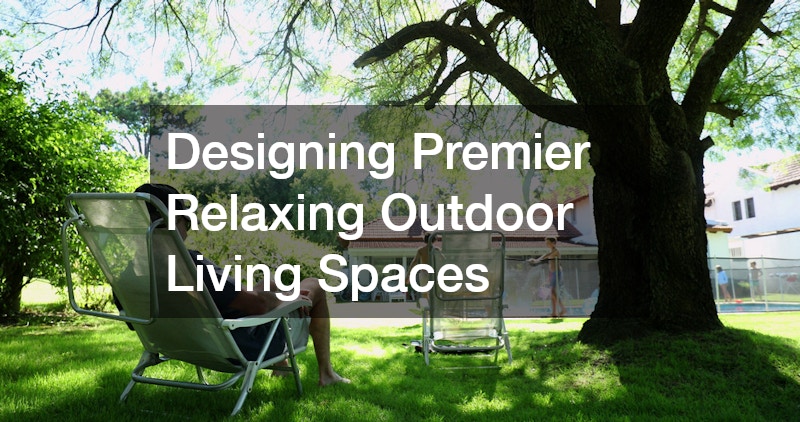

The modern backyard is undergoing a massive cultural shift. No longer is it viewed merely as a patch of turf to mow or a static piece of property to look at through a window. Instead, it has become a vital extension of the home, a functional canvas for self-care, and a critical sanctuary from the chaotic pace of everyday life. In an era dominated by screens and constant connectivity, having a dedicated physical space to unplug, breathe fresh air, and listen to the wind has transitioned from a luxury to a necessity for mental well-being.
However, many homeowners approach backyard design without a cohesive plan. They purchase disjointed pieces of furniture, place plants haphazardly, and ignore basic spatial design principles. The unfortunate result is often a cluttered, high-maintenance yard that creates visual noise and causes more subconscious anxiety than actual relaxation. True tranquility in an outdoor space does not happen by accident; it requires a thoughtful balance of structural design, environmental psychology, privacy, and sensory curation. By treating your yard with the same interior design principles you apply to your living room, you can transform any ordinary patch of ground into a deeply comforting, resort-style oasis. This comprehensive guide breaks down the step-by-step process to help you design, build, and enjoy your ultimate outdoor retreat.
Mapping Your Oasis: Layout, Traffic Flow, and Groundwork
Before buying a single cushion or planting a solitary shrub, you must evaluate the layout of your land. Human beings feel most secure and relaxed in environments that possess a clear sense of order and purpose. In design philosophy, this is achieved through structural zoning, which means dividing your outdoor area into distinct rooms based on their intended function. You might designate one corner of the yard as a quiet reading nook, another area for intimate dining, and a central zone for gathering around a warmth source.
When planning these zones, pay close attention to natural traffic lanes. The pathways connecting your home’s back door to your various outdoor features should be wide, intuitive, and entirely free of obstacles. If a guest has to squeeze past a grill or step over a garden hose to reach a chair, the psychological sense of ease is instantly broken. Furthermore, a truly relaxing space requires a solid, level foundation. Uneven ground causes furniture to wobble, creates pooling water during rainstorms, and presents tripping hazards that detract from a peaceful mindset.
- Analyze sun patterns throughout the day to ensure your morning coffee spot gets gentle early light, while your afternoon relaxation zone is shielded from the blistering heat of the late-day sun.
- Prioritize subterranean drainage layout before laying down any hard materials to ensure heavy downpours melt away rather than creating muddy pools near your seating.
- Select foundational materials that offer both physical longevity and barefoot comfort, such as premium natural stone or high-quality concrete pavers.
To bring these structural plans to life safely and effectively, major structural modifications require specialized expertise. Partnering with a professional patio builder ensures that the core foundation of your outdoor room is excavated correctly, leveled to perfection, and graded with the proper slope to direct water away from your home’s foundation. Once the main living platform is structurally sound, you can easily connect your secondary zones by hiring professional paving services to lay down smooth, interconnected walkways made of slate, brick, or flagstone, creating a beautiful and fluid journey across your entire landscape.
Cultivating Serenity: Softscaping and Lush Greenery
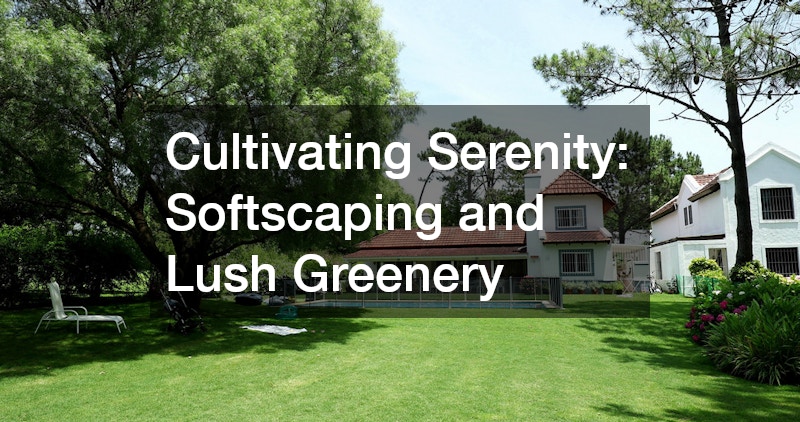
Once your structural footprint is established, the next phase is layering the soft, living elements that will breathe life into the space. The psychological impact of plants on human stress levels is well-documented; simply looking at green foliage can lower heart rates and reduce cortisol production. However, to create a space that feels deeply restorative, your softscaping choices must be highly intentional.
Start by adopting a cohesive, soothing color palette. While bright red, hot pink, and neon yellow blooms are exciting, they stimulate the brain rather than calm it. For a sanctuary vibe, prioritize muted tones like deep emerald greens, soft silvery sages, dusty blues, lavenders, and crisp whites. These colors recede visually, making a small yard feel larger and significantly more peaceful. Additionally, think beyond visual appeal and design for the senses of touch and smell.
- Incorporate aromatic herbs and flowers near seating areas, such as English lavender, creeping thyme, jasmine, and rosemary, which release stress-relieving essential oils into the air whenever the breeze brushes past them.
- Incorporate diverse textures by mixing broad-leafed hostas with delicate, wispy ornamental grasses that sway gently and create a soothing, rhythmic rustling sound in the wind.
- Utilize layered vertical planting, placing taller canopy trees at the rear, medium shrubs in the middle, and soft groundcovers at the front to mimic the organic, comforting structure of a natural forest clearing.
Maintaining this living tapestry should not become a secondary source of stress. Utilizing professional landscaping services can save you from costly trial-and-error by helping you select native, low-maintenance species that naturally thrive in your local soil type and climate. To ensure the space remains an pristine sanctuary without sacrificing your precious weekends to heavy physical labor, investing in routine lawn care services keeps your turf perfectly manicured, weed-free, and healthy, leaving you with nothing to do but sit back and absorb the peaceful surroundings.
Establishing Boundaries: Privacy and Secure Enclosures

A fundamental human instinct is the desire for shelter and security. It is nearly impossible to completely let your guard down and decompress if you feel exposed to the prying eyes of neighbors or the visual distraction of passing traffic. To unlock true relaxation, your outdoor living space must feel like an enclosed, private room where you are completely protected from the outside world.
Creating a sense of enclosure does not mean you have to build a oppressive, prison-like barrier. Instead, look for ways to mix hard architectural boundaries with soft natural elements to soften the perimeter lines. High quality perimeter boundaries provide an immediate psychological sense of safety and establish a clear barrier against wind and external noise pollution. To make these structures feel warm and inviting, you can train climbing vines like ivy, clematis, or climbing hydrangeas to scale the vertical surfaces, blurring the line between construction and nature.
- Determine the optimal height for your perimeter boundaries by sitting in your primary outdoor chairs and assessing the exact sightlines to neighboring windows and second-story decks.
- Incorporate staggered privacy planting, such as a row of dense arborvitae or columnar junipers, right alongside your structural barriers to maximize acoustic dampening and wind protection.
- Create a dedicated transitional entrance point, such as an archway or a heavy wooden portal, to signal to your brain that you are leaving the stresses of the outer world and entering a sacred private space.
Achieving this delicate balance of structural security and aesthetic elegance requires the right execution. Consulting with experienced fence contractors allows you to design and install durable, beautifully finished perimeter screens that complement the architectural style of your main home while maximizing your total privacy. To complete the boundary seamlessly, integrating specialized gate services ensures that your entry points are not only visually stunning but operate with whisper-quiet precision, preventing irritating rattles and providing a solid, comforting click whenever you shut out the rest of the world.
Color, Texture, and Curb Appeal: Vertical Elements and Structures

With your privacy boundaries secured and your plants in the ground, turn your attention to the large vertical surfaces that frame your outdoor oasis. The colors and textures of your home’s exterior walls, detached garages, garden sheds, and surrounding hard structures play a massive role in setting the overall mood. If your backyard faces a stained, peeling wall or a mismatched concrete driveway, your eye will naturally gravitate toward those flaws, disrupting your sense of calm.
Color psychology proves that neutral, earth-toned hues are the most effective at inducing a meditative state. Consider updating your surrounding structures with colors inspired by nature, such as warm sandy beiges, soft stone grays, muted olives, or gentle terracottas. These shades absorb sunlight beautifully rather than reflecting a harsh, blinding glare into your eyes during the middle of the day. Furthermore, ensure that the approach to your backyard lounge feels clean and uncluttered. The visual journey from the front of your property to the back sets the expectation for the relaxation to come.
- Inspect the vertical masonry and wood surfaces surrounding your living space for signs of mold, mildew, or fading paint, as these subtle visual stressors degrade the premium, resort-like feel of a space.
- Use matte or satin paint finishes on outdoor structures rather than high-gloss options to minimize light reflection and maintain a soft, velvety visual texture.
- Ensure that any visible walkways or large vehicle paths running adjacent to your garden are pristine, smooth, and free of unsightly cracks or encroaching weeds.
To achieve a flawless, cohesive look on these large visual expanses, professional execution is paramount. Contracting reputable exterior painting companies guarantees a durable, weather-resistant finish on your fences, sheds, and walls, utilizing specialized paints that won’t crack or peel under intense UV exposure. Concurrently, if your surrounding entry points or adjoining paths are looking worn down, working with a reliable driveway contractor can completely revitalize your property’s infrastructure, replacing cracked, dated surfaces with fresh, smooth, and visually appealing transitions that elevate the premium feel of your entire home ecosystem.
Setting the Mood: Hardscapes and Ambient Lighting
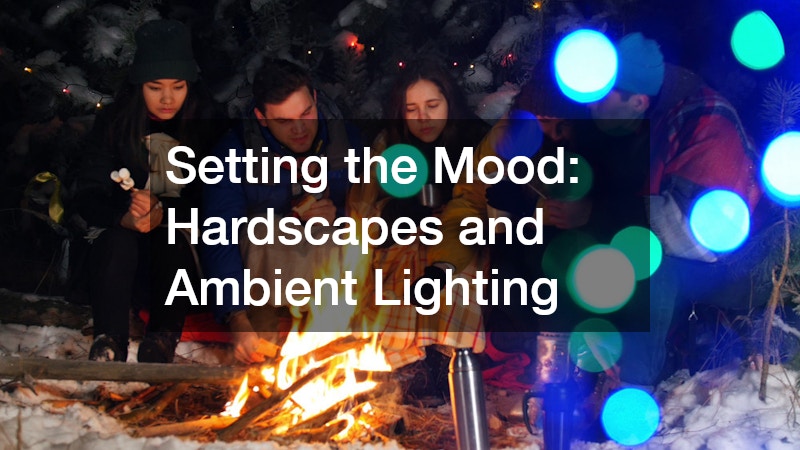
The final layer of a world-class outdoor sanctuary involves the integration of permanent architectural features and deliberate lighting design. Hard architectural elements, like low stone retaining walls, built-in benches, and custom fire features, provide a sense of timeless permanence. A stone wall can serve multiple purposes: it can hold back a beautiful raised garden bed, establish a clear boundary for an outdoor room, and provide extra casual seating when hosting close friends.
As day turns into night, the way you illuminate your outdoor space completely dictates its usability and emotional vibe. The goal of relaxation lighting is absolute subtlety. Avoid bright, overhead floodlights at all costs, as they trigger a biological alertness response that destroys relaxation. Instead, focus on low-voltage, warm-spectrum light that mimics the soft glow of a candle or a setting sun. By layering your light sources, you can highlight the most beautiful architectural and natural features of your yard while leaving unnecessary details in soft, peaceful shadow.
- Build low-profile stone retaining walls that double as integrated bench seating, and top them with weather-resistant custom cushions to maximize functional lounging space.
- Incorporate a safe, stone-enclosed fire pit or a linear fire table as a primary visual focal point, as watching flickering flames naturally induces a calm, meditative state.
- Use the technique of uplighting by placing small fixtures at the base of your most sculptural trees to cast dramatic, soft shadows upward into the night canopy.
Implementing these permanent structures and delicate electrical systems requires professional precision to ensure safety and longevity. Sourcing expert hardscaping services allows you to build structurally sound stone elements that will not shift, crack, or settle over time due to weather changes. Finally, scheduling a custom lighting installation is the safest and most effective way to run low-voltage wiring underground and install premium, weather-proof fixtures that elegantly illuminate your pathways, steps, and foliage, transforming your backyard into a magical, glowing dreamscape the moment the sun dips below the horizon.
Creating a deeply relaxing outdoor living space is far more than a simple weekend home improvement project; it is a profound investment in your personal health, mindfulness, and quality of life. By stepping back and viewing your yard through a lens of purposeful zoning, environmental psychology, and sensory design, you can systematically eliminate the visual clutter and structural flaws that cause subconscious stress.
A true backyard sanctuary relies on the careful harmony of its parts: a level and stable foundation, lush and fragrant native greenery that demands minimal effort to maintain, absolute privacy from the outside world, and soft, atmospheric lighting that welcomes you into the evening hours. When you take the time to plan your layout thoroughly and rely on professional expertise for the heavy structural elements, you pave the way for a flawless execution. Remember that you do not have to transform your entire property overnight. Start small by focusing on a single zone, perhaps a quiet corner for your morning reflections, and gradually expand your design. Over time, you will cultivate a breathtaking, deeply restorative outdoor haven that provides a daily escape from the world, right outside your own back door.