
Choosing a roofing material is one of the most important decisions homeowners can make when replacing or installing a roof. The right material affects a home’s appearance, durability, maintenance needs, energy efficiency, and overall cost. With so many options available, it can be difficult to know which roofing material makes the most sense for a particular property.
A professional roofer can help homeowners compare materials based on climate, budget, architectural style, and long-term goals. Understanding the most common options is a good place to start before making a final decision.
Asphalt Shingles
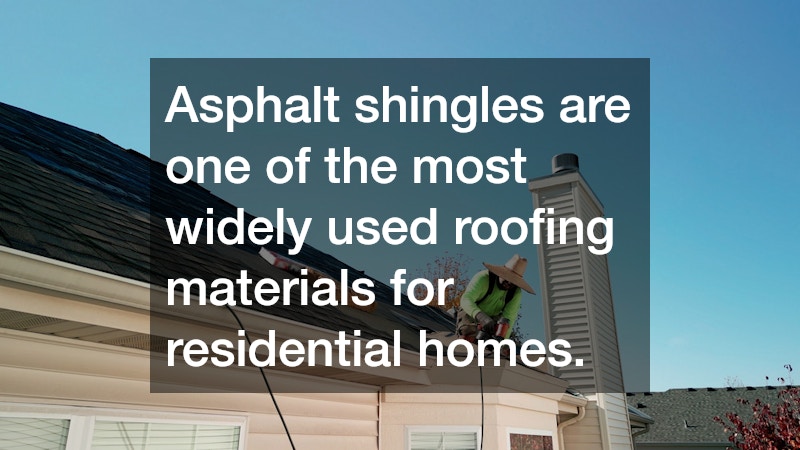
Asphalt shingles are one of the most widely used roofing materials for residential homes. They are popular because they are relatively affordable, available in many colors and styles, and suitable for a wide range of home designs.
Homeowners can typically choose from basic three-tab shingles or thicker architectural shingles that offer a more dimensional appearance. Some premium asphalt products are also designed to resemble materials such as slate or wood.
Installation is generally straightforward compared with heavier roofing materials, which can also help keep project costs manageable. A roofer can explain the differences between available shingle types and recommend options that fit the property and budget.
Metal Roofing
Metal roofing has become increasingly popular among homeowners looking for durability and a distinctive appearance.
Common residential metal roofing materials include steel, aluminum, copper, and zinc. Metal roofs may be installed as large standing-seam panels or in styles designed to resemble shingles and other traditional roofing materials.
One major advantage of metal is its resistance to many weather conditions. It also requires relatively little maintenance when properly installed.
However, metal roofing generally has a higher upfront cost than standard asphalt shingles. Homeowners considering metal should speak with an experienced roofer about installation requirements, expected lifespan, and whether the home’s structure is suitable for the selected system.
Wood Shingles and Shakes
Wood roofing offers a natural appearance that works especially well with rustic, traditional, cottage, and certain historic architectural styles.
Wood shingles are typically cut to create a smoother, more uniform appearance. Wood shakes are generally thicker and have a more textured, rustic look.
Cedar is one of the most common materials used for wood roofing because of its durability and appearance.
Despite its visual appeal, wood roofing often requires more maintenance than asphalt or metal. Moisture, insects, algae, and fire concerns may also influence whether it is appropriate for a particular location.
A qualified roofer can help homeowners determine whether wood roofing is practical based on local climate conditions and building requirements.
Clay Tile
Clay tile roofing is known for its distinctive appearance and long service life. It is commonly associated with Mediterranean, Spanish, Southwestern, and mission-style homes.
Clay tiles are available in different shapes and colors, with traditional red and terra-cotta shades being especially recognizable.
One important consideration is weight. Clay tile is considerably heavier than many roofing materials, so the roof structure must be capable of supporting it. In some cases, additional structural reinforcement may be necessary.
Clay tiles can also be more expensive to purchase and install. However, homeowners who value durability and architectural character may consider the investment worthwhile.
Concrete Tile
Concrete tile provides another option for homeowners who like the appearance of traditional tile roofing.
These tiles can be manufactured in many colors and profiles and may be designed to resemble clay, slate, or other materials. Concrete is durable and can perform well in many climates when installed correctly.
Like clay, concrete tile is relatively heavy. Homeowners should have the roof structure evaluated before choosing this material.
An experienced roofer can determine whether tile roofing is appropriate and explain any structural considerations that may affect installation.
Slate Roofing
Slate is one of the most distinctive and durable roofing materials available. Made from natural stone, slate provides an elegant appearance that is commonly seen on historic homes, luxury properties, and certain traditional architectural styles.
Natural slate is resistant to many common roofing concerns and can remain functional for a very long time when properly installed and maintained.
The biggest drawbacks are cost and weight. Slate is one of the more expensive roofing materials, and installation requires specialized knowledge. The structure must also be able to support the additional weight.
Because installation quality is especially important with slate, homeowners should look for a roofer with experience working specifically with this material.
Synthetic Roofing Materials
Synthetic roofing products are designed to replicate the look of materials such as slate, cedar, or tile while potentially reducing some of their drawbacks.
Depending on the product, synthetic roofing may be made from polymers, rubber, composites, or recycled materials.
These products can offer homeowners a wider range of design possibilities without the same weight associated with natural slate or tile. They may also require less maintenance than some traditional materials.
Quality can vary significantly between manufacturers, so homeowners should carefully review product specifications, warranties, and installation requirements before making a decision.
Flat and Low-Slope Roofing Materials
Not every residential roof uses shingles or tiles. Homes with flat or low-slope sections require materials specifically designed to manage water on surfaces with minimal pitch.
Common options include modified bitumen, built-up roofing, and single-ply membrane systems.
The correct choice depends on roof design, climate, drainage, and other factors. Installing the wrong material on a low-slope roof can increase the risk of leaks and water damage.
A professional roofer can identify which roofing systems are compatible with the slope and design of the home.
How Should You Choose a Roofing Material?
There is no single roofing material that is best for every home. Homeowners should consider several factors before making a decision.
Budget is an obvious consideration, but upfront cost should not be the only factor. Expected lifespan, maintenance requirements, energy performance, local weather, roof structure, and appearance should also be evaluated.
Local building codes or homeowners association rules may limit certain materials or colors as well.
Speaking with a knowledgeable roofer can make comparing these factors much easier.
Choose a Roof That Fits Your Home
Asphalt shingles, metal, wood, clay tile, concrete tile, slate, synthetic products, and low-slope roofing systems all offer different advantages and disadvantages. The right choice depends on the home’s design, location, budget, and the homeowner’s priorities.
Before replacing a roof, take time to compare materials rather than automatically selecting the same option that was previously installed. A reputable roofer can inspect the property, discuss available products, and explain which materials are appropriate for the home’s structure and local conditions.
By considering durability, appearance, cost, and maintenance together, homeowners can choose a roofing material that protects their property while complementing its overall design for years to come.