
Deciding to renovate a property is one of the most significant financial and creative commitments a homeowner can make. Transforming a living space involves a complex balancing act: you want to create a personalized environment that enhances your daily comfort and quality of life, yet you must also protect and build long-term financial equity. Every architectural change, material selection, and layout alteration directly impacts the future marketability and appraised valuation of your home. Navigating the return on investment spectrum requires understanding the distinction between purely aesthetic enhancements and true value-driving upgrades. While trendy wall colors or high-end decorative fixtures might catch the eye in a sales listing, they do not inherently generate lasting property valuation. High-value renovations focus on structural integrity, functional layout optimizations, spatial efficiency, and timeless, durable materials that lower ongoing maintenance overhead. To maximize the equity built during a comprehensive overhaul, capital must be allocated strategically. The highest-return investment zones consistently include central gathering areas, functional wet rooms, high-wear surfaces, and foundational architectural elements. By focusing on kitchens, bathrooms, continuous flooring, and precise surface refinishing, homeowners can systematically transform their properties into high-performing assets that deliver both personal enjoyment and exceptional long-term resale returns.
Establishing Strategic Renovation Priorities
Before tearing down walls or specifying high-end finishes, every successful property transformation must begin with a clear, data-driven strategy. Setting realistic investment boundaries prevents the common pitfall of over-improving a property beyond what the local housing market can support. Evaluating neighborhood price ceilings is the foundational step when establishing your renovation budget. Every residential micro-market has a natural pricing limit determined by recent sales of comparable properties. Research recent local sales within a half-mile radius, focusing on top-tier homes to establish your area’s maximum valuation limit, then calculate your maximum budget by subtracting your current purchase value from that ceiling price. Always factor in a fifteen to twenty percent contingency fund specifically earmarked for hidden structural, electrical, or plumbing issues discovered during demolition. Altering a home’s structural footprint is one of the most capital-intensive aspects of any project. Reconfiguring interior partition walls, shifting load-bearing supports, or expanding external foundations rapidly consumes a budget. In many cases, optimizing the existing footprint through smart space planning yields a far higher return on capital than physical expansion. Rearranging circulation paths, eliminating dead hallways, and opening sightlines between living spaces can make a modest floor plan feel expansive without the massive overhead of new foundation and roofing work. Executing a major transformation requires a clear understanding of trade specializations. Minor cosmetic updates can often be managed through individual specialty subcontractors. However, when a project demands structural adjustments, complex plumbing relocations, and mechanical overhauls, partnering with an experienced custom home builder ensures that framing, electrical systems, and architectural details comply strictly with regional building codes. Complex structural interventions necessitate unified project management to keep timelines intact and guarantee that large-scale home remodels preserve the structural integrity of the entire structure.
Kitchen Renovations with High Equity Returns
The kitchen remains the undisputed centerpiece of residential real estate value. Buyers evaluate kitchens with a critical eye, scrutinizing layout efficiency, storage capacity, and surface durability. Achieving a high-ROI kitchen transformation does not necessarily demand a complete demolition of existing materials. If your existing cabinetry consists of solid hardwood boxes and well-built doors, complete tear-out and replacement is often a wasted expenditure. Custom millwork replacement can easily swallow up to forty percent of a kitchen budget. Refinishing existing cabinetry offers a high-impact alternative that preserves structural quality while dramatically updating the visual aesthetic. When updating structurally sound wood cabinets, applying standard latex paint with a brush or roller usually yields an uneven, short-lived surface that shows wear quickly. Partnering with seasoned kitchen cabinet painters ensures the use of specialized chemical stripping, high-durability conversion varnishes, and industrial spray application equipment. This process creates a glass-smooth, factory-grade finish capable of withstanding daily heat, grease, and moisture exposure for years. Work surfaces are subject to constant mechanical wear, thermal shock, and staining agents. Selecting high-performance, non-porous surfaces ensures that the kitchen maintains its pristine appearance through years of heavy daily preparation. Working directly with an established countertop company gives you access to wholesale slab yards and specialized precision fabrication equipment. Choose materials that offer high stain and heat resistance ratings, inspect full natural or engineered stone slabs in person under natural lighting rather than relying on small trade samples, and ensure professional templating using digital laser scanners to guarantee seam placements line up precisely along cabinet runs. Modern buyers also prioritize organized, highly functional storage over pure cabinet square footage. Installing heavy-duty full-extension pull-out drawers within lower cabinets eliminates lost space in deep base units, while integrating dedicated appliance garages with hidden internal power outlets keeps primary counter surfaces clutter-free.
Bathrooms: Elevating Comfort and Visual Appeal

Primary and secondary bathrooms serve as critical evaluation points during property appraisals. An outdated bathroom featuring worn acrylic enclosures, poor lighting, and stained grout lines instantly lowers a home’s perceived condition. Transforming these spaces into spa-like retreats delivers a strong return on investment by combining functional efficiency with modern luxury. Shower design has evolved away from bulky, framed plastic doors and tub surrounds toward open, light-filled glass enclosures. High-end bathroom design focuses on creating uninterrupted sightlines that make the entire room feel larger and more open. Installing frameless custom shower doors eliminates heavy metal framing and thick rubber seals that collect mineral deposits and mildew. Heavy-gauge tempered glass enclosures let natural light flood through tile enclosures, highlighting premium stone craftsmanship while visually enlarging tight bathroom footprints. The vanity area serves as the primary visual anchor in any bathroom, so upgrading worn laminate or tile surfaces with high-performance stone instantly elevates the room’s aesthetic standard. Commissioning precision-cut custom countertops tailored to your specific vanity framing eliminates awkward wall gaps and accommodates sleek under-mount sinks. Stone vanity tops provide superior resistance to moisture, cosmetics, and daily bathroom wear while offering a polished, luxurious surface that catches the eye of prospective buyers. Upgrading mechanical fixtures improves both operational efficiency and daily comfort. Modernizing plumbing and lighting systems updates the space while reducing ongoing utility expenses. Replacing outdated toilets with high-efficiency dual-flush models reduces annual household water consumption, while thermostatic shower mixing valves maintain precise water temperatures to prevent sudden thermal shocks. Additionally, upgrading overhead lighting to high-CRI LED fixtures paired with dimmable ambient backlighting around vanity mirrors creates an inviting atmosphere, and mounting humidity-sensing exhaust fans automatically manages moisture levels to prevent mold growth behind walls.
Durable and Cost-Effective Flooring Solutions
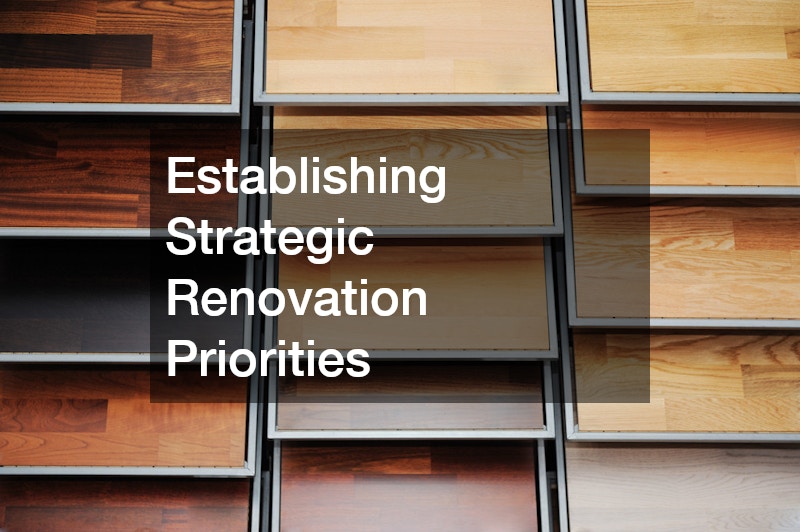
Flooring acts as the visual foundation of a home, unifying disparate rooms into a cohesive floor plan. Continuous, high-performance flooring enhances spatial flow while addressing real-world wear from pets, foot traffic, and potential moisture exposure. When choosing flooring with a custom home builder, you must balance aesthetic warmth with practical durability. While traditional solid hardwoods offer classic appeal, they remain susceptible to moisture damage, denting, and fading in high-traffic zones. Evaluate flooring choices based on resistance to standing water, scratch testing, and ease of maintenance, and consider sound transmission ratings when selecting underlayments for multi-story applications. Select materials that maintain color stability under direct UV sunlight exposure near large windows, and prioritize low-VOC, GREENGUARD-certified materials to protect indoor air quality throughout the home. Material innovations have elevated resilient flooring options into premier design choices for modern home renovations. Installing premium luxury vinyl flooring gives homeowners authentic wood aesthetics combined with absolute moisture resistance. Featuring dense stone-polymer composite cores and thick wear layers, these planks handle heavy foot traffic, pet claws, and kitchen spills without warping, cracking, or requiring expensive refinishing. A common mistake in residential design is changing flooring materials from room to room. Abrupt transitions between carpet, tile, and wood break up visual continuity and make floor plans feel small and fragmented. Running a single, resilient flooring material continuously throughout main living spaces, kitchens, hallways, and entryways creates a seamless visual expanse. Furthermore, incorporating consistent flooring choices helps reflect natural and artificial lighting more evenly, enhancing overall visibility and ambiance. Eliminating threshold strips expands visual room proportions, improves accessibility, and gives the home a modern, well-integrated look.
Premium Countertop Materials That Drive Value

Primary work surfaces in kitchens and bathrooms undergo rigorous daily use. Selecting long-lasting natural stone surfaces adds timeless visual appeal while providing exceptional durability. Navigating countertop choices requires balancing immediate visual impact against ongoing maintenance obligations. Synthetic materials can mimic natural patterns, but genuine natural stone carries an established prestige that continues to drive real estate values. Understand the sealer requirements for porous stone surfaces to prevent oil and acid staining over time, and evaluate stone hardness scales to choose materials that resist accidental chipping from heavy cookware impacts. Factor fabrication costs into slab selection, as denser natural stones require specialized diamond cutting equipment, and compare slab thickness options to determine structural cabinet support requirements. Among natural surface options, authentic stone remains the ultimate benchmark for kitchen performance and luxury real estate appeal. Installing a premium granite countertop guarantees superior thermal resistance, allowing hot cookware to be placed directly on the surface without risk of scorching or thermal cracking. When properly sealed, granite’s dense crystalline structure resists scratches, knife cuts, and liquid absorption, making it an ideal long-term investment for active kitchens. The detail work applied to stone edges also alters the room’s overarching architectural character. Flat mitered edges create the appearance of a thick, solid stone block that perfectly aligns with sleek modern kitchen architecture, while beveled edges feature a precise angled chamfer that catches light and suits classic transitional home designs. Bullnose edges offer a fully rounded profile that protects high-traffic corners from chipping and improves safety around small children, whereas elaborate S-shaped ogee edges add formal traditional elegance to large kitchen islands and ornate vanity units.
Paint and Surface Refinishing
Paint is one of the most cost-effective tools available during a major home overhaul. Fresh, expertly applied interior paint cleans up worn surfaces, brightens dark rooms, and unifies architectural elements across the entire floor plan. Color choice directly impacts human perception of space, light, and room dimensions. Dark or overly saturated colors absorb ambient light, making rooms feel smaller and highlighting wall surface imperfections. Select neutral, light-reflecting palettes—such as soft greys, warm off-whites, and subtle greiges—to maximize natural light distribution. Using a single wall color throughout connected living areas unifies open-concept layouts, while painting ceiling surfaces in flat, bright white formulations visually elevates ceiling heights. Applying subtle contrast colors on interior doors and architectural trim highlights quality millwork details. While painting is often viewed as an approachable DIY project, achieving crisp, long-lasting results requires professional skill and specialized tools. Engaging experienced residential painting professionals ensures comprehensive wall surface preparation, including drywall skim coating, seam taping, and industrial sanding. Professional painters use high-volume low-pressure spray systems and premium paints to deliver smooth finishes, razor-sharp lines along baseboards, and seamless coat coverage across large wall expanses. Matching the correct paint finish to room functionality preserves wall appearance and simplifies routine maintenance. Flat or matte finishes offer zero sheen to hide drywall imperfections on ceilings and low-traffic master bedrooms, while eggshell finishes provide a subtle low-sheen option with basic wipeability for living rooms and dining spaces. Satin paint delivers medium durability with a gentle luster that is ideal for high-traffic hallways, family rooms, and children’s areas, whereas semi-gloss paint creates a highly durable, moisture-resistant finish designed specifically for baseboards, interior doors, kitchens, and bathrooms.
Strategic Execution for Long-Term Equity and Value

Successfully navigating a major home overhaul requires balancing short-term design aspirations with long-term financial strategy. By prioritizing structural optimizations, high-use kitchen features, modern bathroom enclosures, continuous resilient flooring, and flawless surface finishes, homeowners can create stunning living spaces that build significant real estate equity. Maximizing your return on capital comes down to meticulous planning, specifying durable, timeless materials, and partnering with skilled trade specialists. Prioritize quality execution over fleeting design trends, preserve appropriate contingency reserves, and approach every decision through the dual lenses of daily functionality and long-term market value. A well-planned, expertly crafted home renovation delivers immediate personal enjoyment while securing your property’s position as a premier asset for years to come.