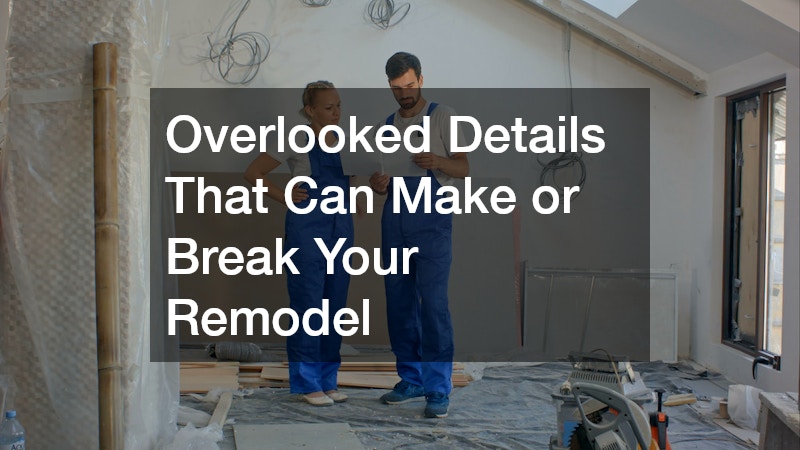

A remodel often begins with excitement and big ideas— new layouts, modern finishes, and the promise of a better-functioning space. Homeowners spend hours selecting materials, comparing styles, and envisioning the final reveal. Yet despite careful planning, many remodels fall short of expectations or exceed budgets for reasons that feel frustratingly avoidable. The truth is that most remodeling problems don’t come from bold design choices but from small, overlooked details that quietly compound over time.
These missed details often sit outside the spotlight of inspiration boards and showrooms. They include logistics, systems, safety, long-term maintenance, and how a space will actually be used years down the line. When ignored, they can cause delays, surprise expenses, and lasting dissatisfaction even if the remodel looks beautiful on the surface. This article takes a deeper look at the commonly overlooked details that can make or break your remodel, offering practical, actionable insights to help you plan smarter and build with confidence.
Planning for Temporary Access, Parking, and Site Logistics

One of the first overlooked aspects of a remodel is how construction will impact everyday access to your home. Driveways may be blocked, garages might be unusable, and street parking can quickly become limited once contractors and delivery vehicles arrive. Many homeowners assume these inconveniences will sort themselves out, but a lack of planning can lead to daily frustration or even fines and safety concerns. Thinking through how people and vehicles will move around your property during construction is a critical early step.
In some cases, especially during major renovations or exterior work, homeowners need backup plans for vehicle access. Coordinating with local tow truck companies can be helpful if cars must be relocated temporarily or moved on short notice due to equipment placement or material deliveries. Planning these logistics reduces stress and avoids last-minute scrambling when construction is already underway. Clear communication with contractors about access needs also ensures work progresses smoothly without unnecessary interruptions.
Before construction begins, it’s helpful to outline specific logistical considerations such as delivery zones, waste removal areas, and temporary walkways. This planning not only protects your property but also keeps workers safe and efficient. For example, defining where dumpsters can sit and how materials will be staged prevents damage to landscaping or neighboring properties. Addressing access and logistics early sets a professional tone for the entire remodel.
Evaluating Existing Mechanical Systems Before Cosmetic Upgrades
Cosmetic upgrades often steal the spotlight during remodel planning, but mechanical systems quietly determine whether those upgrades will function comfortably. Heating systems, in particular, may struggle to support new layouts, added square footage, or higher ceilings. Homeowners frequently assume existing systems will “adjust,” only to discover uneven temperatures or high energy bills after the remodel is complete. Evaluating these systems before walls are closed is essential.
Scheduling inspections and addressing heating repair needs early allows contractors to identify limitations or inefficiencies. Even minor system upgrades can dramatically improve comfort and performance once the remodel is finished. When heating is overlooked, homeowners may end up tearing into finished walls later to correct problems that could have been solved during construction. This not only adds cost but also diminishes the satisfaction of the completed space.
Mechanical planning should align with how the remodeled space will be used. Open floor plans, for example, require different airflow considerations than compartmentalized layouts. By involving mechanical professionals early, homeowners ensure that comfort matches aesthetics. A remodel that looks great but feels uncomfortable will always fall short of expectations.
Identifying Hidden Hazards Before Demolition Begins
Demolition is often the most exciting phase of a remodel, but it can also reveal serious problems if proper inspections aren’t done beforehand. Older homes may contain hazardous materials hidden behind walls, under floors, or above ceilings. These hazards can halt construction, increase costs, and pose health risks if disturbed improperly. Identifying them early is critical for both safety and scheduling.
Materials that require specialized handling should never be treated as an afterthought. Engaging an asbestos service before demolition ensures that testing and removal are handled according to regulations. When these materials are discovered mid-project, timelines can double and budgets can spiral. Proactive testing protects workers, homeowners, and the integrity of the remodel.
Beyond safety, early hazard identification helps with realistic planning. Knowing what lies beneath surfaces allows for accurate cost estimates and prevents surprise change orders. It also fosters trust between homeowners and contractors, as expectations are clear from the start. A smooth demolition phase sets the foundation for every stage that follows.
Choosing Flooring Based on Function, Not Just Appearance

Flooring decisions are often driven by aesthetics, but function plays an equally important role in long-term satisfaction. Each room experiences different levels of traffic, moisture, and wear, and flooring should be chosen accordingly. Homeowners who prioritize looks alone may find themselves dealing with stains, dents, or premature wear. Taking time to match materials to real-life use makes a significant difference.
In spaces like bedrooms or living areas, carpet flooring can provide comfort and sound absorption, but it requires thoughtful selection. Factors such as fiber type, pile height, and padding quality all influence durability and maintenance. Choosing the wrong carpet for a high-traffic area often leads to frustration and early replacement. Flooring should support how the space functions day to day, not just how it looks in photos.
To make smarter flooring decisions, homeowners should consider:
- Who will use the space most often and how
- Whether pets, children, or moisture are factors
- How much maintenance is realistic over time
These considerations help narrow options and prevent regret. After selecting materials, proper installation is just as important as the product itself. Well-chosen, well-installed flooring enhances comfort and longevity throughout the home.
Designing Vertical Movement for Long-Term Accessibility
Accessibility is often overlooked during remodels, especially when homeowners don’t anticipate immediate mobility challenges. However, homes should be designed to adapt as needs change over time. Stairs, in particular, can become obstacles if future accessibility isn’t considered. Planning for flexibility now can save significant expense later.
In multi-level homes, planning for a stair lift during a remodel is easier than retrofitting one later. This includes considering electrical access, stair width, and landing space. Even if a lift isn’t installed immediately, designing with one in mind preserves future options. Small design adjustments today can prevent major structural changes down the line.
Accessibility planning also improves resale value and broadens a home’s appeal. Features that support aging in place are increasingly attractive to buyers. A remodel that considers long-term usability demonstrates foresight and care. Designing for accessibility isn’t about limiting design— it’s about expanding possibilities.
Managing Outdoor Conditions That Affect Indoor Comfort
Outdoor conditions have a direct impact on indoor comfort, yet they’re often addressed separately from interior remodels. Poor drainage, overgrown landscaping, and standing water can all create problems that creep inside. These issues affect air quality, comfort, and how enjoyable outdoor spaces feel after a remodel. Integrating outdoor planning into renovation decisions creates a more cohesive result.
Pest management is a common concern tied to outdoor conditions. Standing water and dense vegetation create breeding grounds that can affect indoor comfort. Coordinating with a mosquito control service during landscaping or exterior upgrades helps reduce these issues before they start. Addressing them proactively is far easier than reacting after the remodel is complete.
Outdoor planning should align with how homeowners intend to use their spaces. Patios, decks, and yards should be designed with drainage, airflow, and maintenance in mind. When outdoor conditions support comfort, indoor spaces benefit as well. A remodel that considers the full property feels more complete and intentional.
Preparing the Property Properly Before Construction Starts
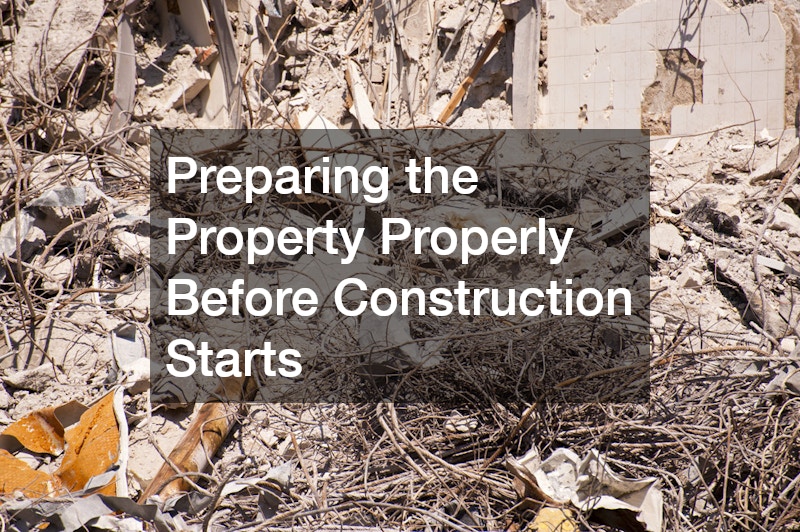
Construction delays often begin before the first hammer swings. Insufficient site preparation can slow progress, damage equipment, or create safety hazards. Homeowners sometimes underestimate how much groundwork is required to support a smooth remodel. Proper preparation lays the foundation for efficiency and safety.
In some cases, grading, debris removal, or a land clearing service may be necessary before construction can begin. Clearing access paths, leveling work areas, and removing obstacles ensures contractors can work without interruption. Skipping these steps can lead to rushed decisions once construction is underway. Early preparation keeps timelines realistic and predictable.
Site preparation also protects surrounding areas. Clearly defined work zones prevent damage to landscaping and neighboring properties. It also helps contractors maintain organization, which improves workmanship. A well-prepared site sets the tone for the entire project and minimizes avoidable setbacks.
Building Resilience Against Water, Fire, and Weather Damage
Remodels provide an ideal opportunity to strengthen a home’s resilience against unexpected damage. Many homeowners focus solely on aesthetics and miss the chance to upgrade protective features. Water intrusion, fire risk, and severe weather can all undo renovation investments if not addressed. Planning for resilience protects both the home and the remodel budget.
Incorporating moisture barriers, improved drainage, and fire-resistant materials helps safeguard new construction. Having a plan for emergency restoration also ensures quicker recovery if something goes wrong. Homes designed with resilience in mind experience less downtime and lower repair costs after incidents. These upgrades often go unnoticed until they’re needed most.
Resilience-focused decisions also support insurance requirements and long-term value. Insurers increasingly reward homes that demonstrate risk mitigation. A remodel that prioritizes protection alongside beauty delivers peace of mind. Planning for the unexpected is one of the smartest investments homeowners can make.
Integrating Safety Systems Into the Design Phase
Safety systems are critical, yet they’re frequently treated as afterthoughts during remodels. When these systems are added late, they can disrupt finished surfaces and compromise design. Integrating them early ensures they function properly and blend seamlessly into the space. Safety and aesthetics don’t have to compete.
Planning for automatic fire sprinkler design during the design phase allows for coordination with ceilings, framing, and mechanical systems. This integration reduces visual impact and improves system efficiency. When planned early, safety systems become part of the architecture rather than an intrusion. This approach also simplifies inspections and code compliance.
Early safety planning benefits everyone involved. Contractors work more efficiently, inspectors encounter fewer issues, and homeowners gain confidence in their investment. A remodel that prioritizes safety demonstrates responsibility and foresight. These systems protect lives as well as property.
Accounting for Maintenance Needs of Specialized Spaces
Remodeled spaces often require ongoing maintenance that homeowners don’t anticipate. Kitchens, utility areas, and multi-use spaces are especially prone to this oversight. When maintenance needs aren’t planned for, accessing systems later becomes difficult and costly. Designing with maintenance in mind prevents future frustration.
Homes with expanded kitchens or added units may require grease trap cleaning, even in residential settings. Planning for access panels, service clearances, and maintenance schedules ensures these systems function properly. Ignoring these needs can lead to odors, backups, and compliance issues. Maintenance-friendly design supports long-term performance.
To reduce future disruptions, homeowners should consider:
- How often will it need servicing
- Whether access points are easy to reach
- If maintenance can be done without damaging finishes
These considerations protect the investment and extend the life of remodeled spaces. A remodel isn’t finished when construction ends— it continues through years of use and care.
A remodel is one of the most significant investments a homeowner can make, yet its success is rarely determined by surface-level choices alone. Paint colors, fixtures, and finishes may be the most visible outcomes, but they are supported by dozens of behind-the-scenes decisions that ultimately shape how a home performs. When these details are overlooked, even the most visually stunning remodel can become a source of ongoing frustration, unexpected expenses, or functional limitations. Paying attention to the less obvious aspects of renovation is what separates a project that merely looks good from one that truly improves daily life.
The most successful remodels are those that anticipate challenges instead of reacting to them. Thoughtful planning around access, systems, safety, and long-term maintenance allows homeowners to move through the renovation process with fewer surprises and greater confidence. These considerations also help preserve the integrity of finished spaces, preventing the need for disruptive repairs or costly retrofits later. By addressing potential issues early, homeowners gain greater control over timelines, budgets, and overall outcomes.
Equally important is thinking beyond immediate needs and considering how a home will function years down the road. Lifestyles evolve, physical needs change, and homes must adapt accordingly. Remodels that account for flexibility, resilience, and ongoing care remain functional and comfortable long after trends shift. This forward-thinking approach adds lasting value and ensures the space continues to serve its occupants well.
Ultimately, a remodel should enhance not only how a home looks, but how it works. When overlooked details are brought into focus and handled with care, the entire project becomes more cohesive, durable, and satisfying. Taking the time to plan thoroughly and address these critical factors turns a renovation into a true investment— one that supports comfort, safety, and peace of mind for years to come.